
In the vast cosmos of video game genres, few niches have proven as enduring and creatively fertile as the Metroidvania. Born from the union of two legendary franchises—Metroid and Castlevania—this style of action-platforming, typically rendered in glorious 2D side-scrolling, has become a playground for indie developers. While many titles cling to gothic castles and medieval fantasy, a parallel lineage looks to the stars, drawing deep inspiration from Metroid’s lonely interstellar explorations. As of 2026, the best sci-fi Metroidvanias stand as towering monuments to what small teams and bold visions can achieve, begging a simple question: what makes a future so hauntingly beautiful that we can't stop exploring it?
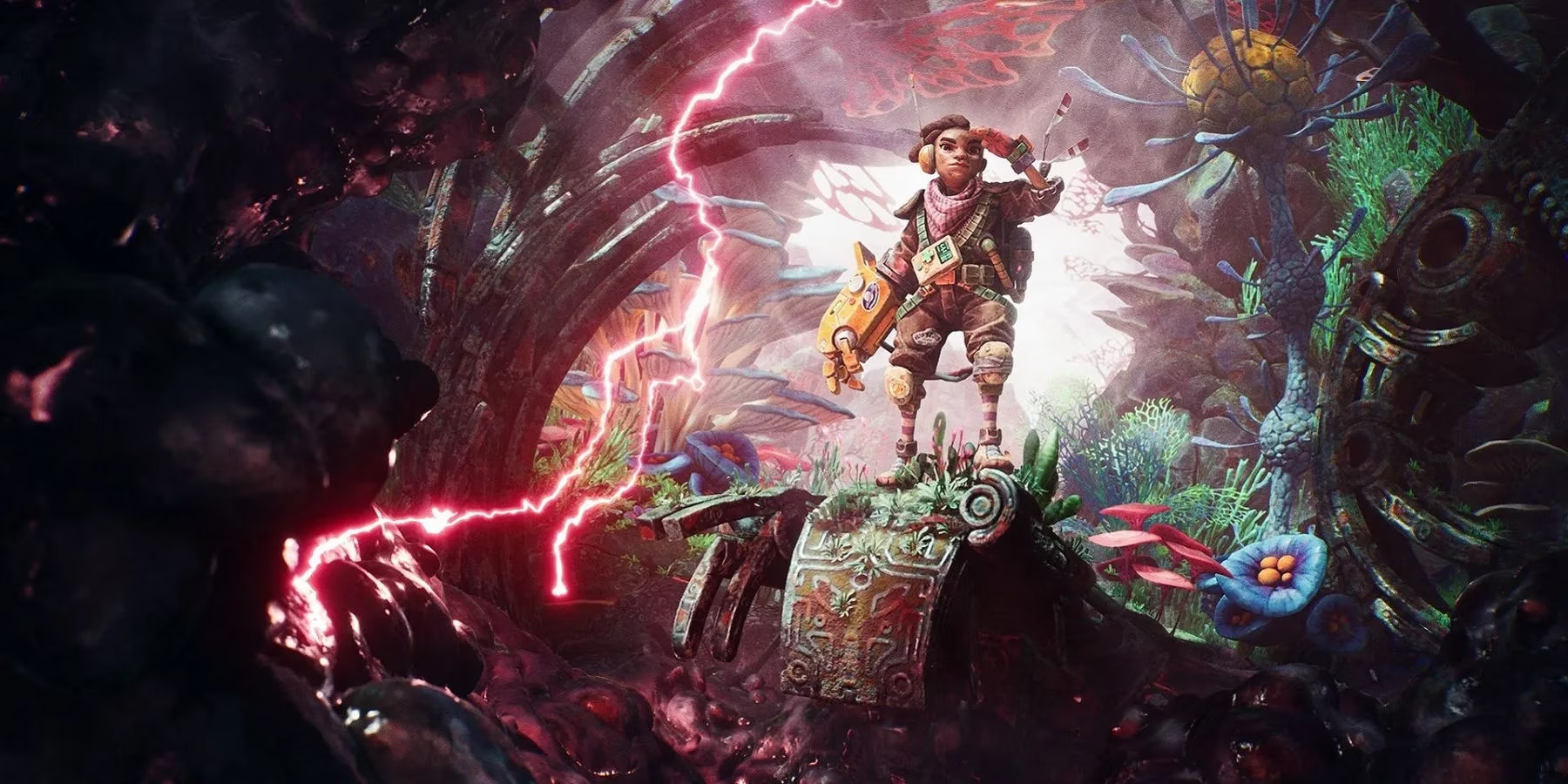
The answer often begins with a single, stranded traveler. Take The Gunk, a game that dared to break the 2D mold and plunge players into a lush alien world in full 3D. Rani, a scavenger accompanied by her partner, stumbled upon a planet choked by a sinister black slime. With a high-tech glove, she vacuumed the corruption away, restoring vibrant ecosystems with each sweep. Could a cleaning tool truly serve as the key to an entire world’s salvation? It did, delivering an ecological allegory wrapped in addictive, exploratory gameplay. This 2021 release proved that the heart of a Metroidvania—unlocking areas through new abilities and environmental storytelling—could thrive beyond flat planes.
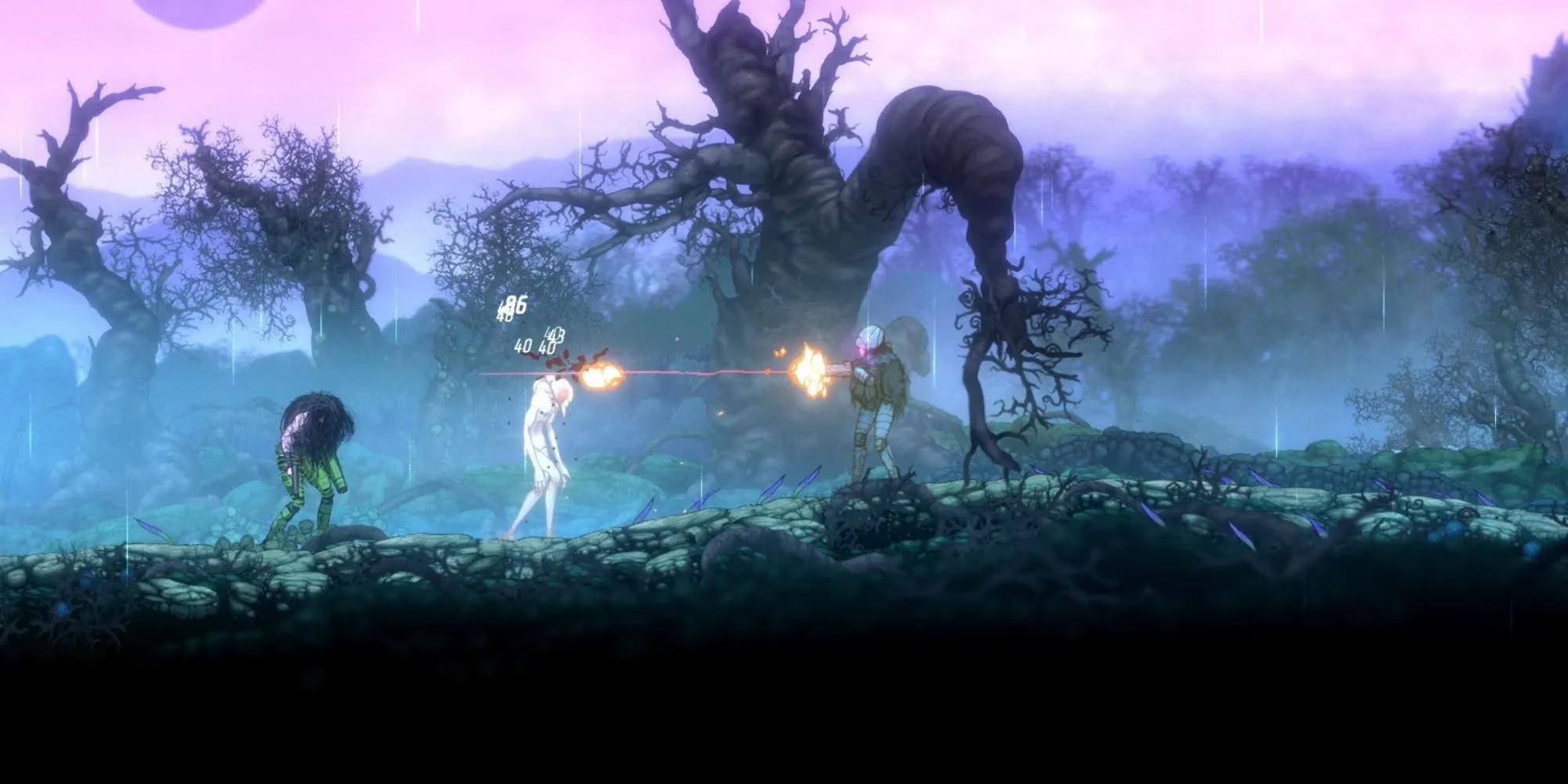
While The Gunk offered a brighter frontier, Ghost Song plunged into cosmic dread. After nearly a decade of development and a successful Kickstarter, this game finally landed in 2022, and later on the Nintendo Switch, to the relief of fans. Awakening a lone explorer on the desolate moon of Lorian V, players encountered a world saturated with mystery and sorrow. The familiar rhythm unfolded: collect upgrades, backtrack through echoing caverns, and piece together what happened. But wasn’t the real treasure the overwhelming atmosphere of isolation? Ghost Song wore its Super Metroid inspirations proudly, proving that patient, atmospheric world-building could still make a player’s skin crawl.
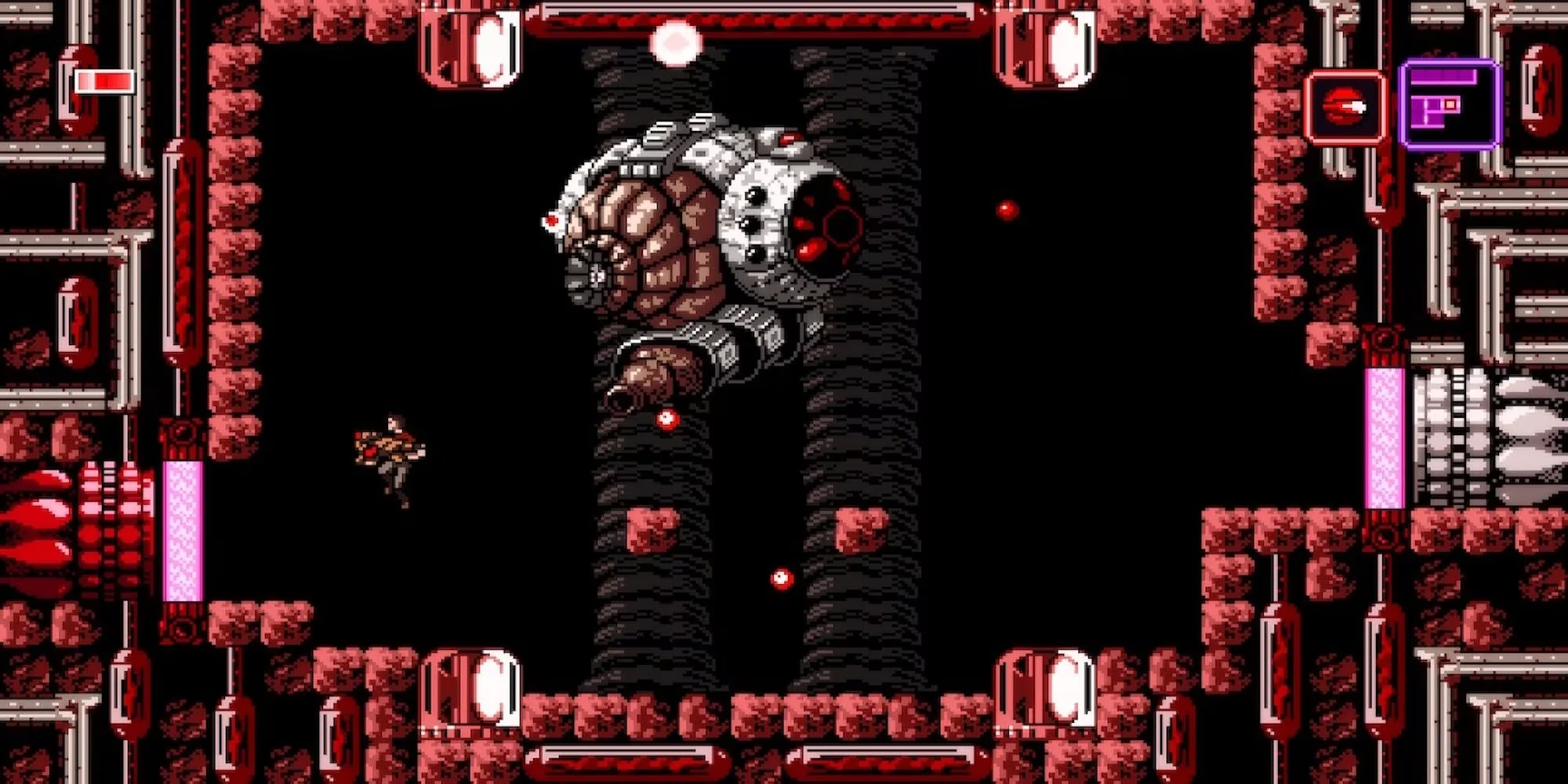
Then there came the game that essentially rebooted retro sci-fi Metroidvania for a new era: Axiom Verge. Created single-handedly by Thomas Happ, this 2015 masterpiece followed a scientist who awoke on a glitched, alien world after a fatal lab accident. It felt instantly familiar, with chunky pixels that screamed Metroid, yet it was utterly alien in tone. Who could have predicted a story that delved into ancient technology, simulated realities, and cosmic dread? As the sequel Axiom Verge 2 expanded the lore, the franchise cemented its status, reminding players that a single developer’s vision could birth an entire universe.
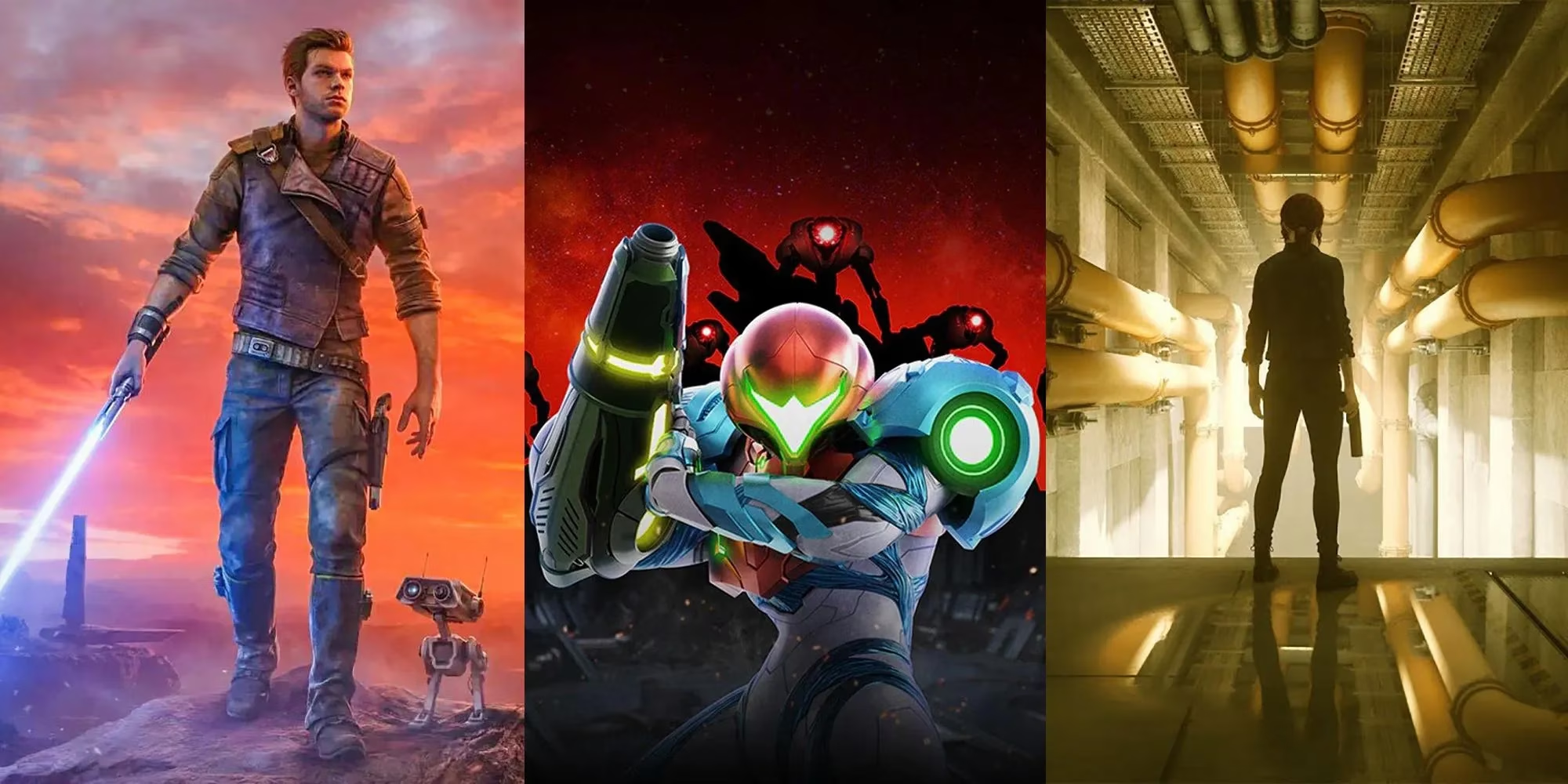
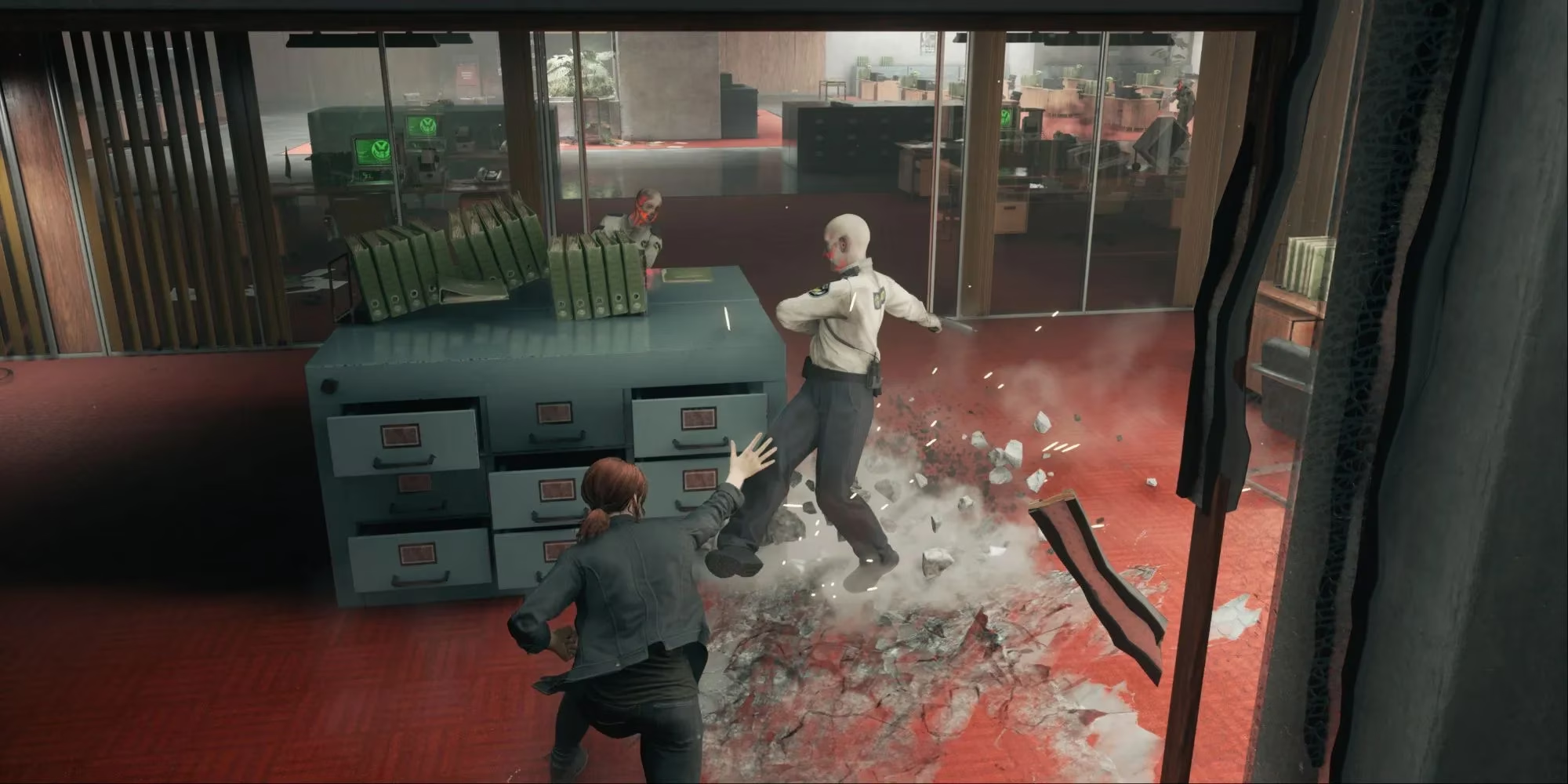
But sci-fi doesn't always mean leaving Earth. Control, from Remedy Entertainment, confined its supernatural investigation to a single, brutalist skyscraper in New York. The Federal Bureau of Control’s headquarters, the Oldest House, shifted and reshaped itself, defying Euclidean logic. Jesse Faden, the new director, wielded telekinetic powers and a transforming pistol, turning combat into a ballet of floating debris and lethal precision. How could a concrete office building rival an alien planet? By ensuring every memo, every altered item, and every threshold to another dimension begged for deeper inquiry. Its 3D map design and the joy of unlocking service weapon forms made Control a modern marvel that shattered the 2D expectation entirely.
From the far reaches of the galaxy, Star Wars Jedi: Survivor continued Cal Kestis’s desperate journey. The 2023 sequel to Fallen Order was praised for deepening its Metroidvania roots. The interconnected world demanded constant re-evaluation as Cal gained Force abilities and gadgets, unlocking fresh paths back to familiar zones. Was there anything more satisfying than mastering the crossguard lightsaber stance and finally reaching that previously inaccessible ledge? By marrying the franchise’s epic storytelling with genuine exploration, it set a new standard, and as of 2026, anticipation for the trilogy’s finale is stratospheric.
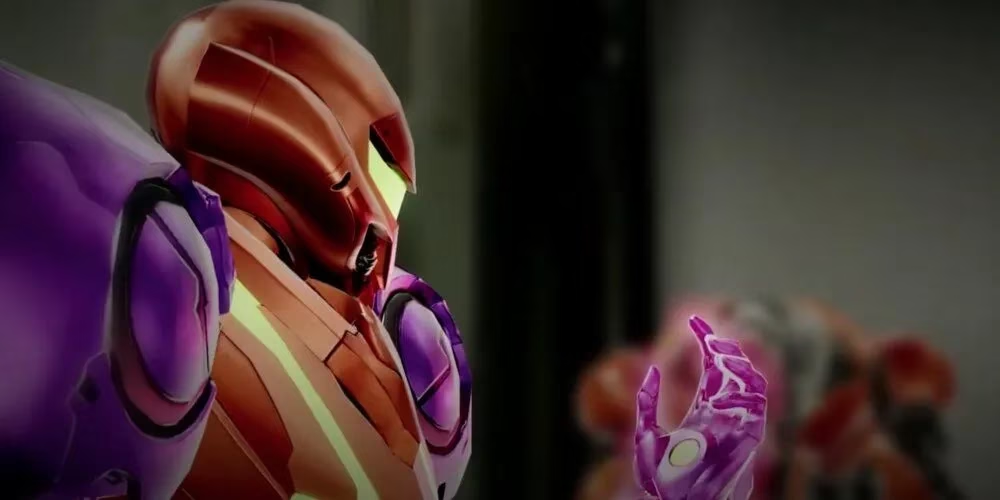
Of course, no discussion of sci-fi Metroidvanias can ignore the progenitor. Metroid Dread, released in 2021, resurrected the 2D side of the franchise after 19 years. Samus Aran’s hunt for the parasitic X on planet ZDR was a masterclass in fluid, kinetic action; sliding, countering, and the slick Phantom Cloak redefined her movement. But how could a game so fiercely focused on being hunted also feel so empowering? By forcing players to outwit near-invincible E.M.M.I. robots, Dread turned each zone into a heart-pounding puzzle box. It was a direct sequel to Fusion that launched the series into a glorious new timeline.
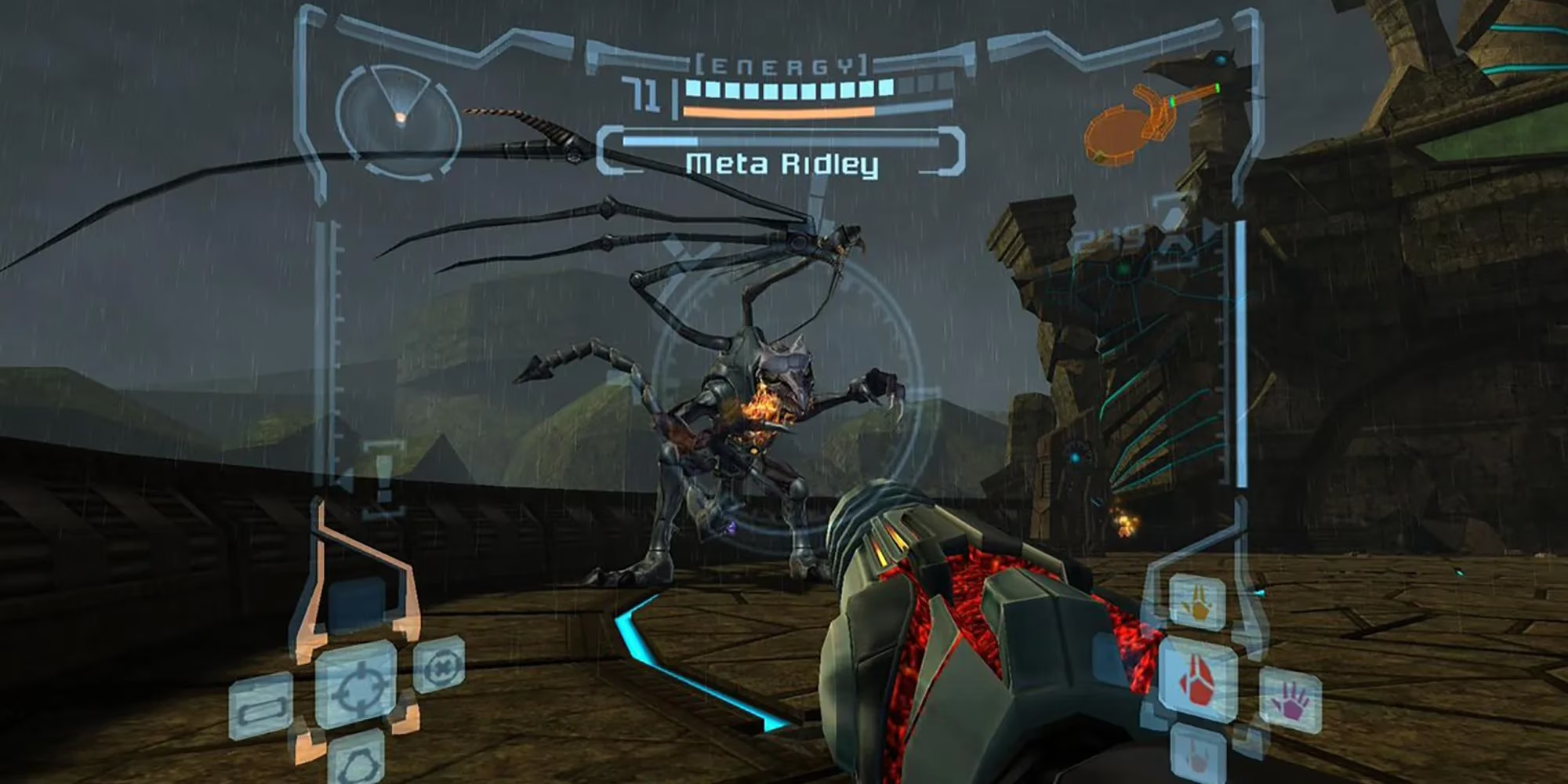
Yet, for many, the soul of the genre was forged in 3D long before, with 2002's Metroid Prime. Was it truly a Metroidvania? The debate still rages, but the isolation, the scanning visor that pulled lore from ancient Chozo ruins, and the labyrinthine design of Tallon IV all answered with a resounding yes. The silent dread of descending into Phazon Mines or the shock of facing Metroid Prime itself created moments that transcended genre. It remained the highest-rated entry in the franchise on Metacritic for a reason.
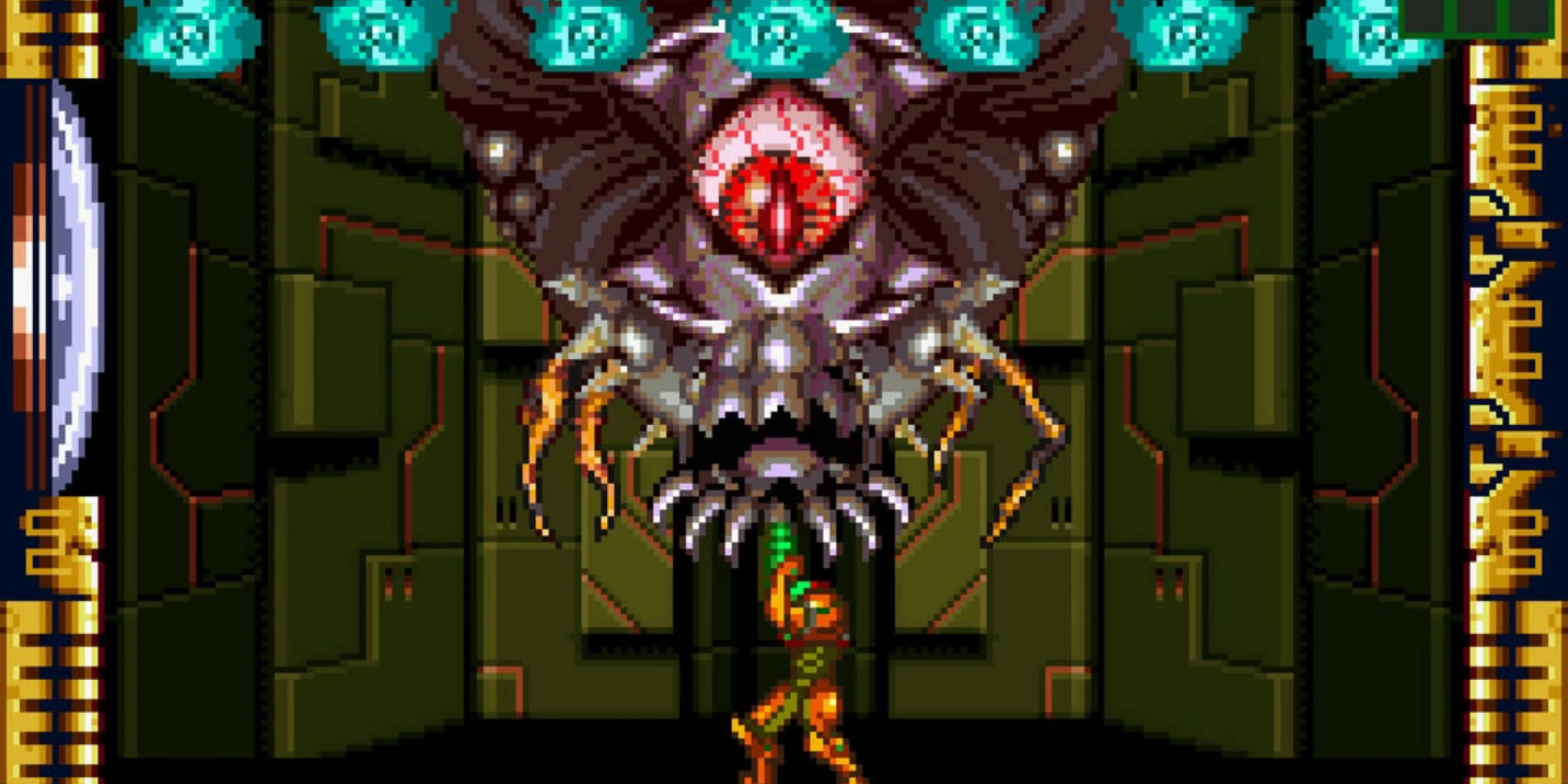
And at the origin point of it all sits Super Metroid. Released in 1994, this 16-bit titan did not just establish a genre name; it taught the industry how atmosphere, solitude, and non-linear exploration could coalesce into art. Samus’s silent pursuit of Ridley through Zebes was a mosaic of hidden passages, speed-booster shinespark puzzles, and the haunting Maridia depths. Every modern indie developer who crafts a 2D sci-fi world still asks themselves: does this recapture the magic of Super Metroid? The answer, across all the games mentioned, is often an affectionate echo.
From the slime-covered landscapes of The Gunk to the dread-filled ZDR, the sci-fi Metroidvania is far from a relic. It is a living, mutating art form. Whether rendered in nostalgic pixels, breathtaking 3D, or unsettling psychological horror, these games all share a core truth: the joy of discovery is infinite. As players look toward the horizon in 2026, one must wonder—what undiscovered worlds will the next masterwork reveal? The answer, as always, lies in the journey, not the destination.
Comments