
A journalist who once covered city council meetings and high school football games had long known the weight of an erratic schedule. His days stretched from early morning news briefings to late-night sports events, the hours between offering a thin illusion of rest. The rhythm was relentless, six days a week, and the only genuine pause came on Sundays. On that sacred day, the routine was simple: plant himself on the couch, unwrap something from the Taco Bell down the street, and surrender to the screen. Sometimes a controller rested in his hands, other times he simply watched. It was a recovery ritual born from necessity, a way to piece himself back together before the cycle began again.
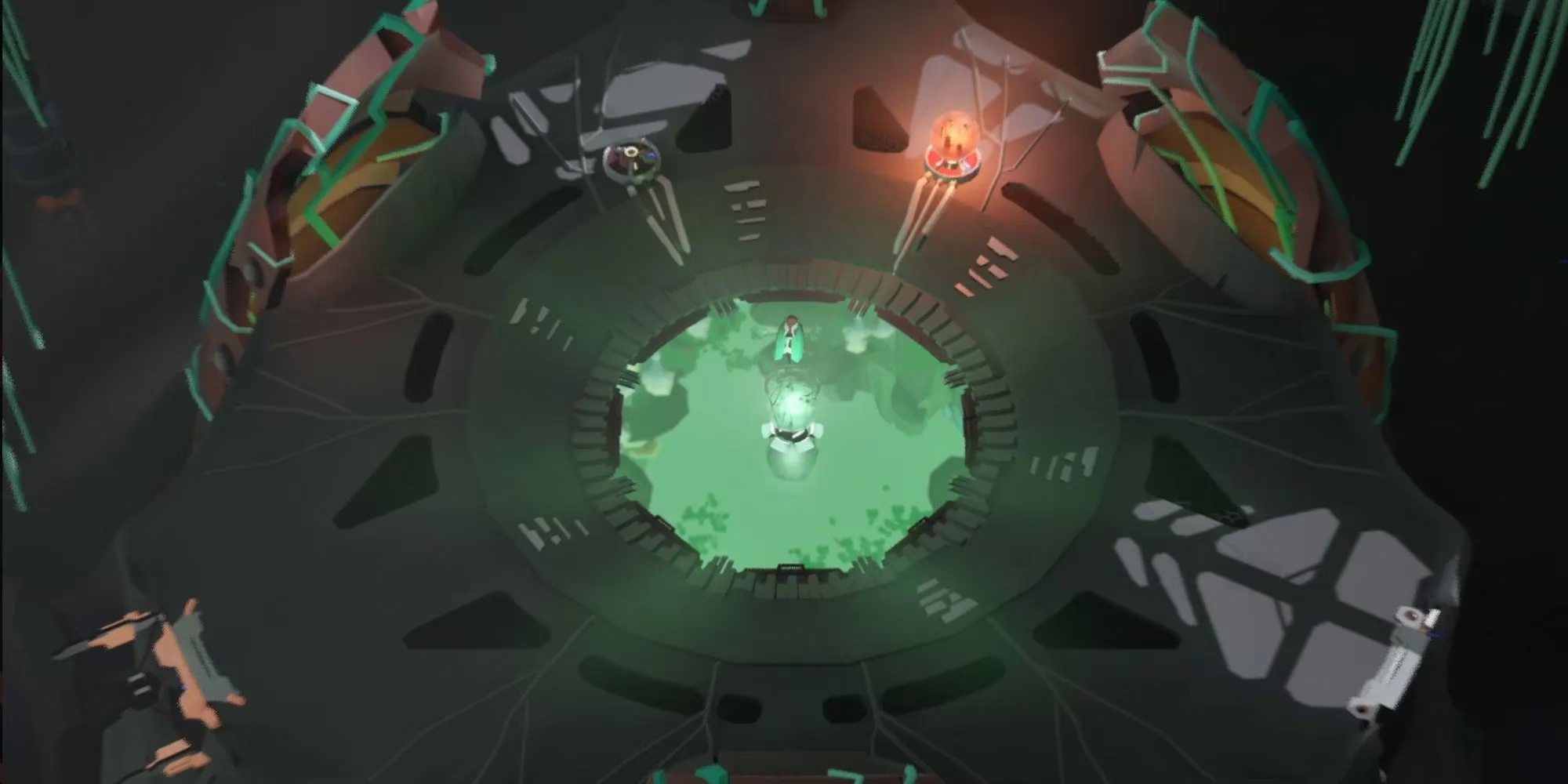
Then, in 2018, the shape of his life shifted. He moved from Michigan to Illinois, leaving behind the local paper to chase a freelance career writing about games. More transformative still was the wedding that preceded the move. Marriage meant leaving behind the bachelor rhythm of endless gaming marathons, and that was, by all accounts, a healthy evolution. A person approaching thirty should not live like a college freshman. Yet, the underlying need that those Sundays fulfilled did not vanish. It simply went underground, waiting for a crack.
It resurfaced with unexpected force in the final weeks of a particularly driven year. Like many, he had stacked 2025 with ambitious personal targets: a set number of games to complete, a film curriculum he'd designed, creative projects to wrap up, books to finish. Work remained steady, but the real pressure came from the self-imposed checklist. Add to that consecutive weekends of travel with no personal time, and something within him simply snapped. His body made the executive decision that rest was no longer a choice. Exhaustion hit him like a wall of fog, and he found himself too drained to do much of anything.
So, on a Saturday in early 2026, he rediscovered the old ritual. He parked himself on the couch and did nothing that looked productive on paper. For several hours, he guided his party through the shadow-cursed lands of Baldur’s Gate 3, finally closing out a second act that had loomed over him for months. He then switched gears, battling imperial forces in Star Wars Jedi: Survivor, savoring the lightsaber combat without a care for efficiency. Later, a film — a surreal drama he had postponed for years because it never fit his curated lists — filled the room with its unsettling atmosphere.
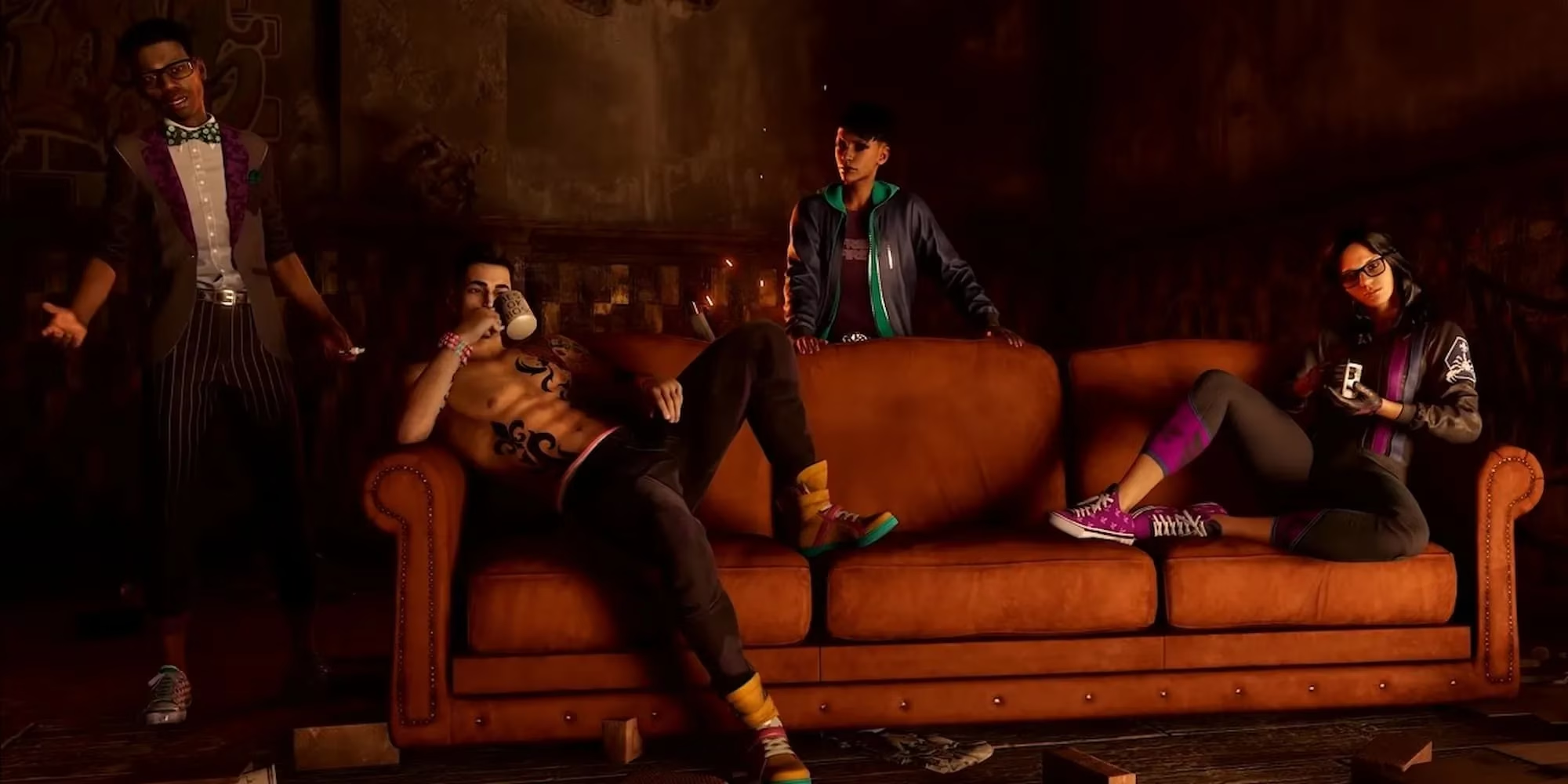
The following day proceeded in the same unapologetically aimless fashion. He dived into the colorful chaos of Big Walk, the cooperative open-world title that had just launched, and later lost himself in the intricate environmental puzzles of Cocoon, a gem he had been meaning to experience without distractions. As the credits rolled and the game was uninstalled, an unexpected feeling washed over him: a sense of accomplishment. The obsessive part of his mind, still chained to the dopamine of checked boxes, reframed relaxation as a task completed. He recognized the absurdity, but he also let it serve its purpose.
The result was undeniably restorative. By Monday, the fog had lifted, and the sharp edge of burnout had dulled. The experience reshaped his perspective. He came to regard the act of sitting on a couch and sinking into a video game for hours not as a lapse in discipline, but as a practice worthy of profound respect. In a culture that often glorifies constant hustle, the deliberate choice to do nothing productive is a radical form of self-care.
This is not an endorsement of weekly marathon sessions or a retreat from responsibilities. Frequency matters. Doing it every weekend would dull its magic and tip into avoidance. The key lies in intentionality. Never choosing to pause is the surest way to ensure the pause chooses you, often at a moment of crisis. The body and mind will eventually demand their due. Better to schedule the break than to crash violently into it.
Looking ahead, the journalist now schedules these restorative Sundays like a necessary appointment. When an upcoming open-world epic like Grand Theft Auto VI finally drops later in 2026, he will know exactly what to do. He will prepare a comfortable space, silence notifications, and allow himself to be fully absorbed. Games, in these moments, become more than entertainment. They act as a portal to a meditative state, a space where the relentless loop of self-improvement yields to simple presence. There is wisdom to be found in the couch-bound stillness, and it deserves a permanent place on the calendar.
Comments