
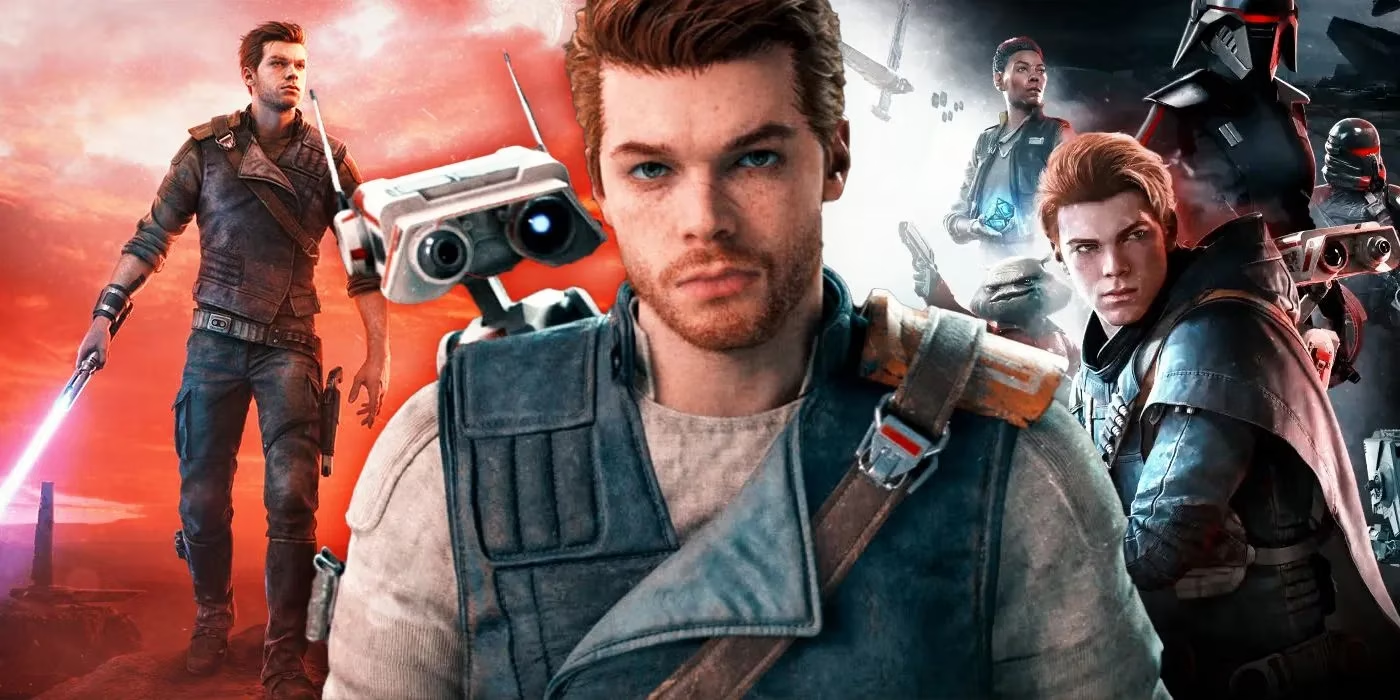
Even in 2026, long after the initial glow of release has faded, Star Wars Jedi: Survivor remains the rare sequel that makes its predecessor look like a rough draft scribbled on a napkin. Respawn did not merely polish Fallen Order; it took Cal Kestis, BD-1, and the Mantis crew and gave them a bigger galaxy, sharper toys, and a story that actually earns its dramatic pauses. With a third Star Wars Jedi project apparently lurking in development, the middle chapter has aged like fine blue milk: slightly weird, surprisingly nourishing, and impossible to ignore. The case for Survivor over Fallen Order is not one grand revelation; it is a pile of smart improvements that keep stacking until the verdict feels obvious.
🎯 A Sequel That Learned From the First Game
Fallen Order was a solid foundation, but Survivor is the house built on top of it with better plumbing and fewer mysterious map corridors. The sequel expands almost everything players touch: combat, exploration, customization, and even the humble act of getting from one place to another. It is the difference between being handed a lightsaber and being handed a lightsaber plus a grappling line, a mount, and a very smug droid.
👾 Enemy Variety That Stops the Galaxy Feeling Like a Stormtrooper Reunion
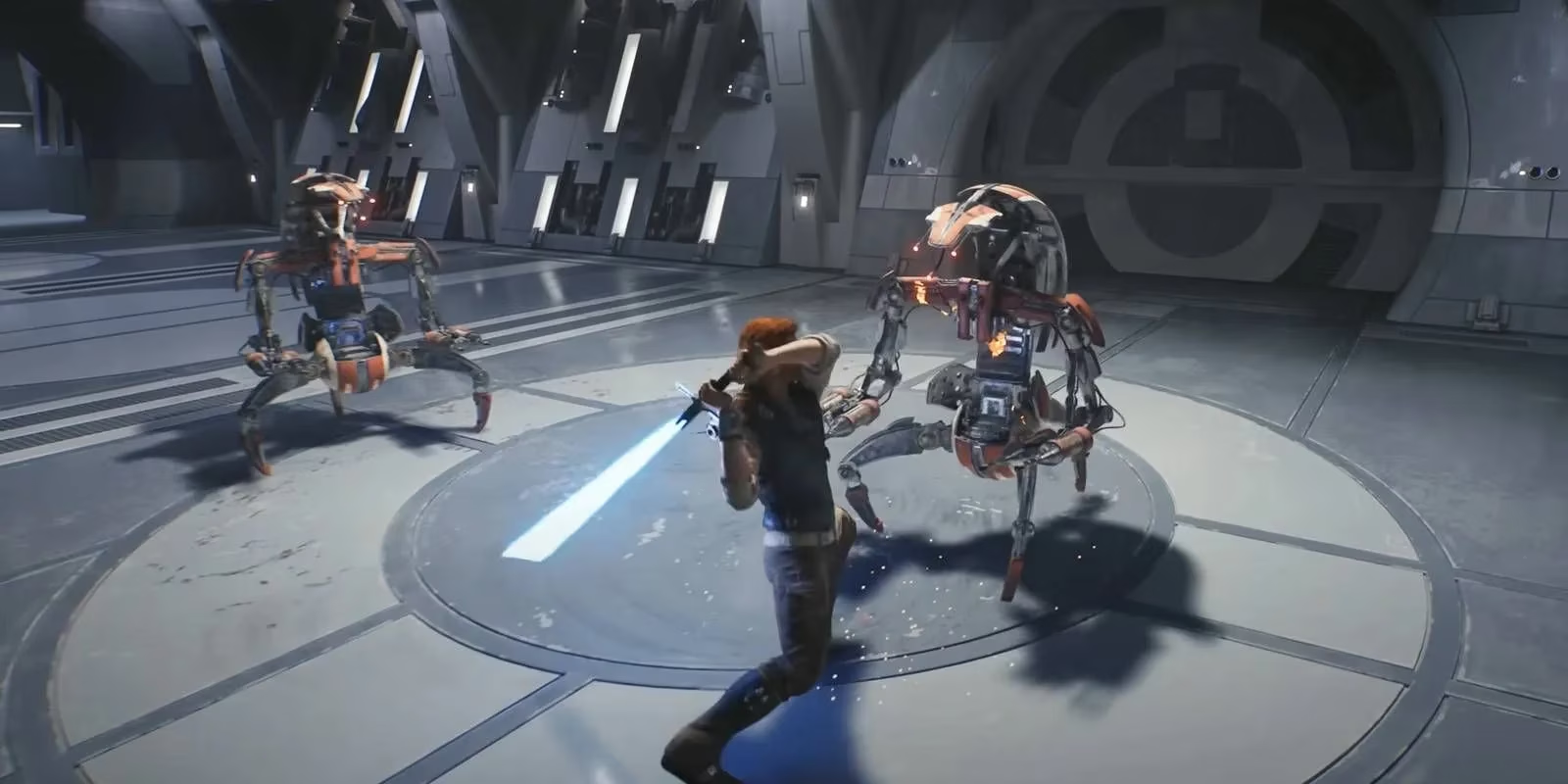
One of the loudest complaints about Fallen Order was the limited enemy buffet. There are only so many stormtrooper variants a player can bonk before the novelty files for early retirement. Survivor listens. The game still includes stormtroopers, because Star Wars law apparently requires them, but it adds fearsome wildlife, the Bedlam Raiders, and repurposed Separatist battle droids. The rolling Droideka and acrobatic MagnaGuard bring genuine challenge, while the B1 battle droids provide the kind of hilarious dialogue that makes a lightsaber duel feel like a workplace comedy with plasma.
⚡ No Forced Amnesia, No Reset Button
Sequels love to invent reasons why a powerful hero suddenly forgot how to use their own hands. Survivor wisely avoids that tired trick. Cal keeps all his Force abilities from Fallen Order, which immediately makes him feel like a Jedi rather than a beginner with a very expensive flashlight. Better still, retaining those powers lets Respawn build new skill trees on top instead of pretending the first game never happened. Players get continuity, and Cal gets to keep his dignity.
🗺️ Maps That Do Not Require a Jedi Mind Trick
Fallen Order's maps were confusing enough to make a cartographer weep. Survivor upgrades the map system with clearer layouts, helpful keys, and color-coded pathways that show where Cal can and cannot go yet. Multiple levels are easier to read, and a handy display shows where Cal has just been. It is a small quality-of-life change with enormous consequences, because nothing kills a space adventure faster than staring at a holographic maze and wondering whether the exit is above, below, or simply a lie.
📖 A Fresh Story With Real Stakes
Survivor could have leaned on Vader and the Inquisitors again and called it a day. Instead, it pushes the Mantis crew five years forward, letting the characters grow, change, and carry the weight of everything that came before. The set pieces are visually stunning and emotionally impactful, and the new antagonists give the story its own identity. Fallen Order told a strong tale of reconnection; Survivor tells a more mature story about what happens after reconnection, when hope has to survive bureaucracy, loss, and the occasional explosion.
🌱 New Abilities and Room to Specialize
Because Cal already knows the basics, Survivor can go wider and deeper. The skill system expands from three broad branches into nine, breaking Force powers and lightsaber stances into individual trees. Players can shape Cal around their own playstyle, whether that means a Force-heavy problem solver, a lightsaber blender, or a survivor who refuses to become one with the Force prematurely. The result is a game that rewards experimentation instead of punishing players for having preferences.
🌍 Worlds That Feel Alive, Not Like Level Geometry
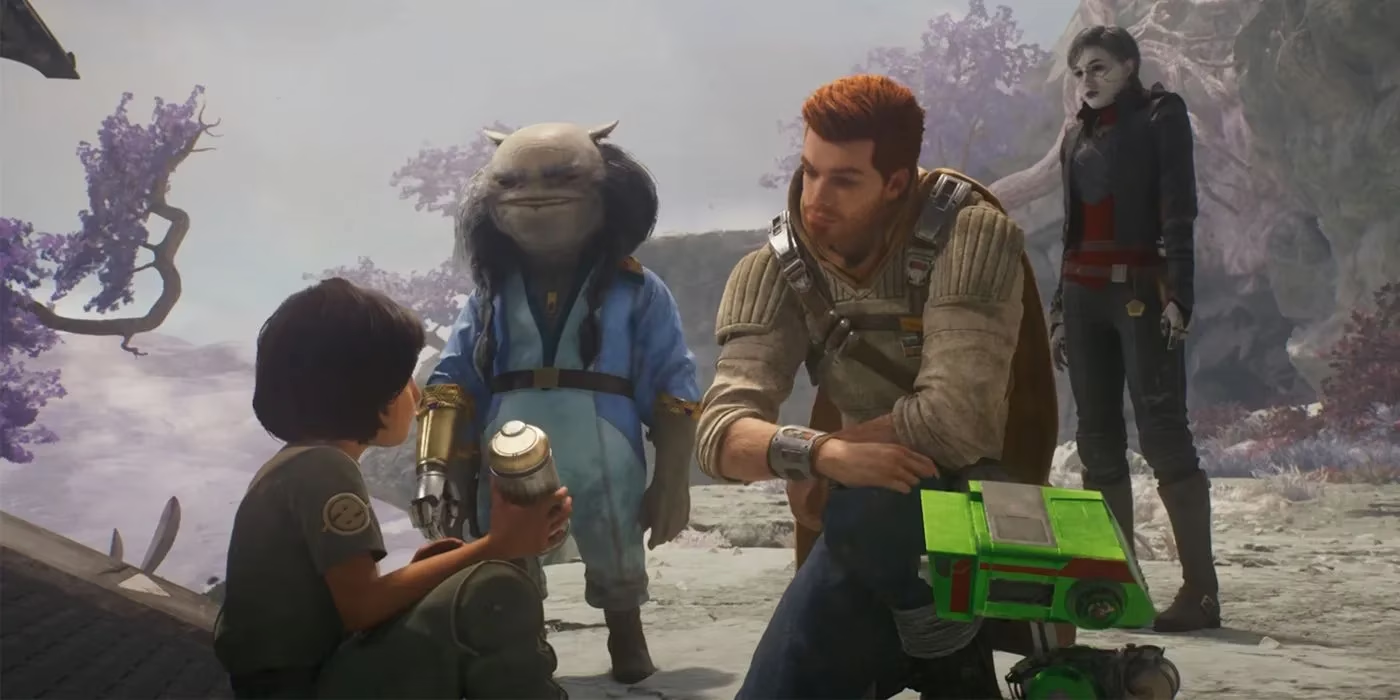
Survivor's planets feel more detailed, more believable, and more reactive. Koboh is the standout: a hub that grows familiar, develops personality, and makes players feel like they are building a home rather than checking off a map icon. Fallen Order had memorable locations, but Survivor gives them more texture and more life. The galaxy stops feeling like a series of combat arenas and starts feeling like a place where people argue, trade, complain, and occasionally get chased by wildlife.
⚔️ Five Lightsaber Stances, Five Ways to Cause Trouble
Fallen Order offered three stances, with dual wield arriving late enough to feel like a reward for patience. Survivor bumps the number to five, and each stance has its own strengths, weaknesses, and skill tree. Players who enjoy experimenting can spend multiple playthroughs finding their favorite flavor of elegant violence. The stance system adds depth without forcing everyone into the same rhythm, which is exactly what a sequel should do.
🚀 Fast Travel Saves Sanity and Shoe Leather
Backtracking through labyrinthine maps was one of Fallen Order's least charming hobbies. Survivor adds fast travel through meditation circles, turning tedious return trips into quick hops. Given the size of some maps and the nonlinear layout of certain areas, this change saves an absurd amount of time. It also respects the player's schedule, which is a rare and precious gift in a galaxy full of collectibles.
🧥 Customization That Goes Beyond Poncho Economics
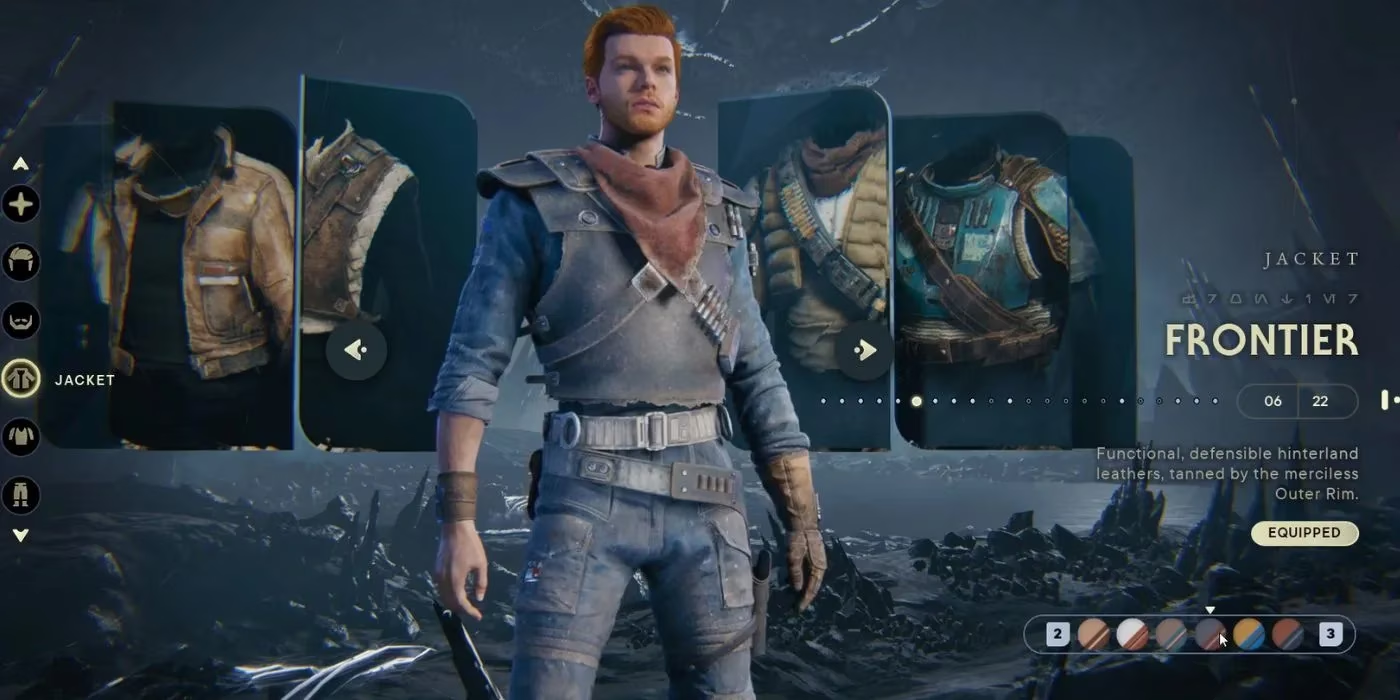
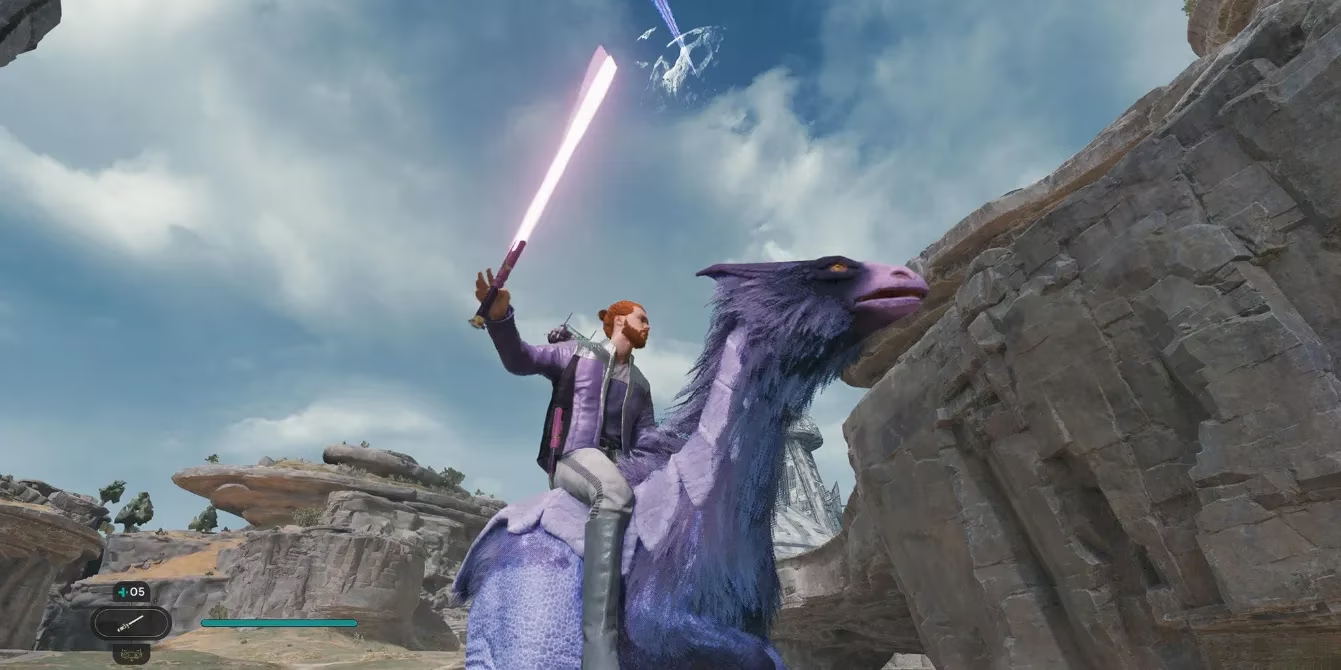
Fallen Order had ponchos. Survivor has options. Players can change Cal's hair, facial hair, and clothing, mixing jackets, undershirts, and pants to create a look that says rugged Jedi or fashionable scoundrel. BD-1 gets new components and colors, and the lightsaber and blaster can be customized too. The lone poncho remains as a collectible, presumably for historians. Otherwise, customization makes each playthrough feel personal, which is a fancy way of saying players can finally give Cal a wardrobe that does not look like a tragic bet.
🐾 Traversal That Turns the Galaxy Into a Playground
Survivor's biggest improvement is movement. Cal's parkour is smoother, mounts can be tamed, flying creatures can glide across gaps, the grappling line adds acrobatic options, and Force Dash lets Cal leap long distances and pass through force fields. Traversal becomes faster, more varied, and better paced, which matters because a Jedi should spend less time jogging through corridors and more time doing ridiculous aerial tricks. The galaxy becomes a playground rather than an obstacle course.
🏆 The Scorecard
| Category | Fallen Order | Survivor |
|---|---|---|
| Enemy variety | Stormtroopers and friends | Stormtroopers, wildlife, raiders, droids |
| Ability continuity | Relearns the basics | Keeps Force powers and expands |
| Maps | Confusing holograms | Clear keys and level layouts |
| Story | Strong origin tale | Mature middle chapter |
| Skill trees | Three branches | Nine branches |
| Worlds | Memorable but limited | Detailed and reactive |
| Lightsaber stances | Three | Five |
| Fast travel | No | Yes |
| Customization | Ponchos | Hair, clothes, BD-1, weapons |
| Traversal | Solid parkour | Mounts, gliding, grapple, Force Dash |
By 2026, Survivor's reputation has only hardened. It is not just a better sequel; it is a blueprint for how to continue a story without erasing the hero's progress or the player's time. Fallen Order opened the door. Survivor walked through it, redecorated the room, taught BD-1 a new trick, and then Force Dashed out before anyone could complain about the poncho.
Comments