
By 2026, the debate around Star Wars Jedi 3 has had years to settle, and my view has only hardened: Respawn should not make its open worlds bigger just because a trilogy finale sounds epic. I have replayed Star Wars Jedi: Survivor and Fallen Order with an eye on pacing, and the lesson I keep coming back to is that scale is not the same thing as scope. Is a sequel really improved by adding another kilometer of terrain, or by making every kilometer mean something? I would choose meaning every time.
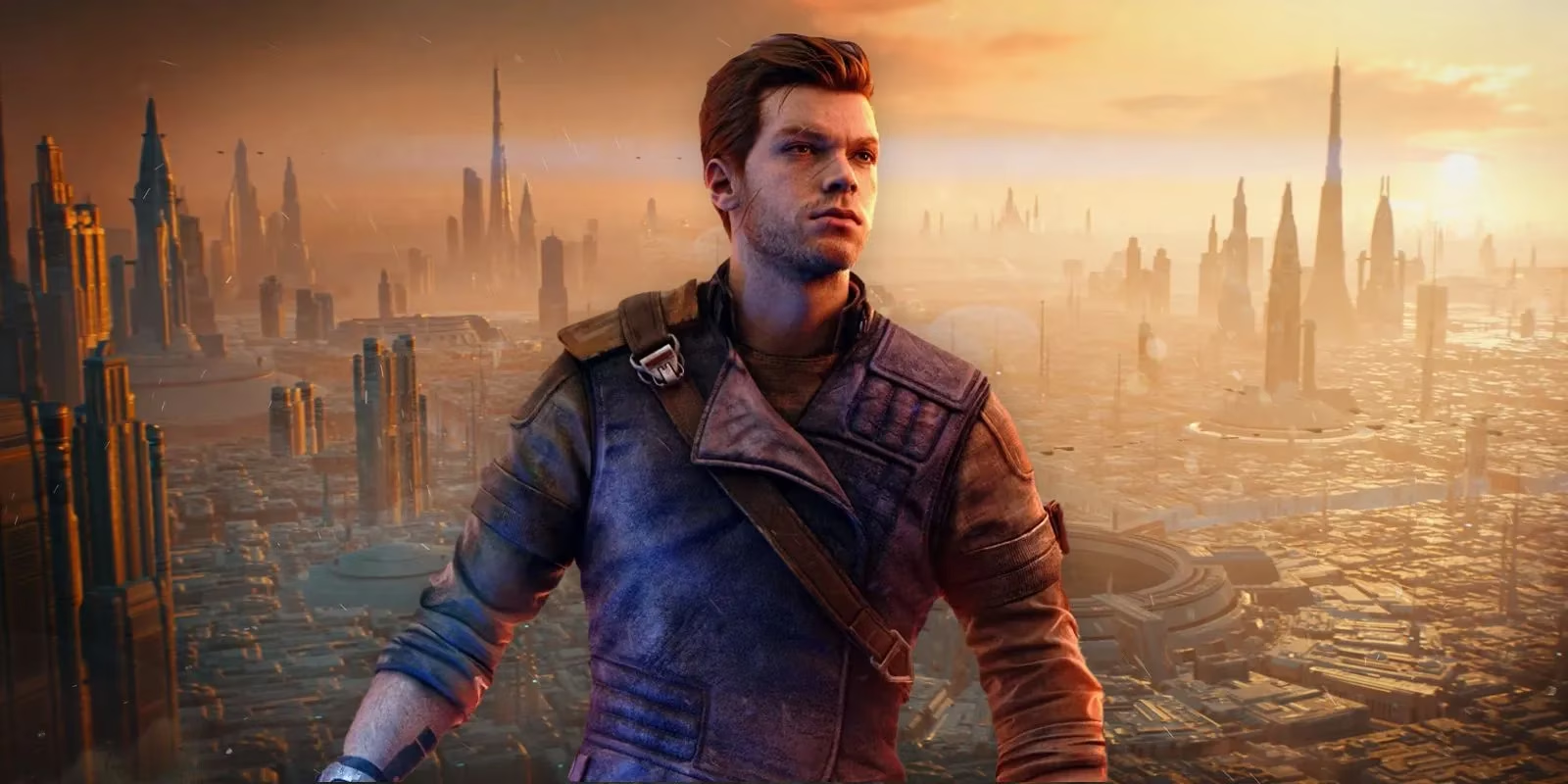
The Bigger-Is-Better Instinct Is a Trap
Jedi: Survivor was already a major expansion over Fallen Order in many ways. Respawn built on the first game's foundations, deepened Cal Kestis's story, and made exploration feel more rewarding. But the instinct to go even bigger for Star Wars Jedi 3 is exactly the kind of thinking that can turn a great action-adventure game into a slog. I have seen too many sequels confuse map size with quality.
Far Cry Primal promoted its map as a centerpiece, yet players found a world that felt strangely empty. Grand Theft Auto 5 gave players Los Santos, but only a fraction of its buildings could be entered. Final Fantasy 15 drew criticism for travel times across a massive 700-square-mile map. These are not arguments against open worlds. They are warnings about open worlds that fail to balance exploration with detail.
| Risk for Jedi 3 | What it looks like | Why it hurts the game |
|---|---|---|
| Empty terrain | Huge spaces with little to discover | Exploration starts to feel like busywork |
| Fetch-quest bloat | Procedural or repetitive objectives | Player frustration rises instead of wonder |
| Long travel times | Distance without meaningful decisions | Pace collapses between story beats |
| Missed details | Important content buried in noise | Players disengage from the world |
When a massive open world works, it can keep people entertained for hundreds of hours. When it fails, it can make an otherwise excellent game feel like a chore. That is the risk I want Respawn to avoid.
What Survivor Got Right
Here is the crucial point: Jedi: Survivor already found a strong balance. Koboh and Jedha are huge maps, but they do not feel like empty voids. Respawn broke each planet's surface into regions that feel unique and interesting. The desert of Jedha still has personality. Koboh still has secrets. Hidden areas, fine-tuned combat encounters, and collectibles reward curiosity rather than checklist completion.
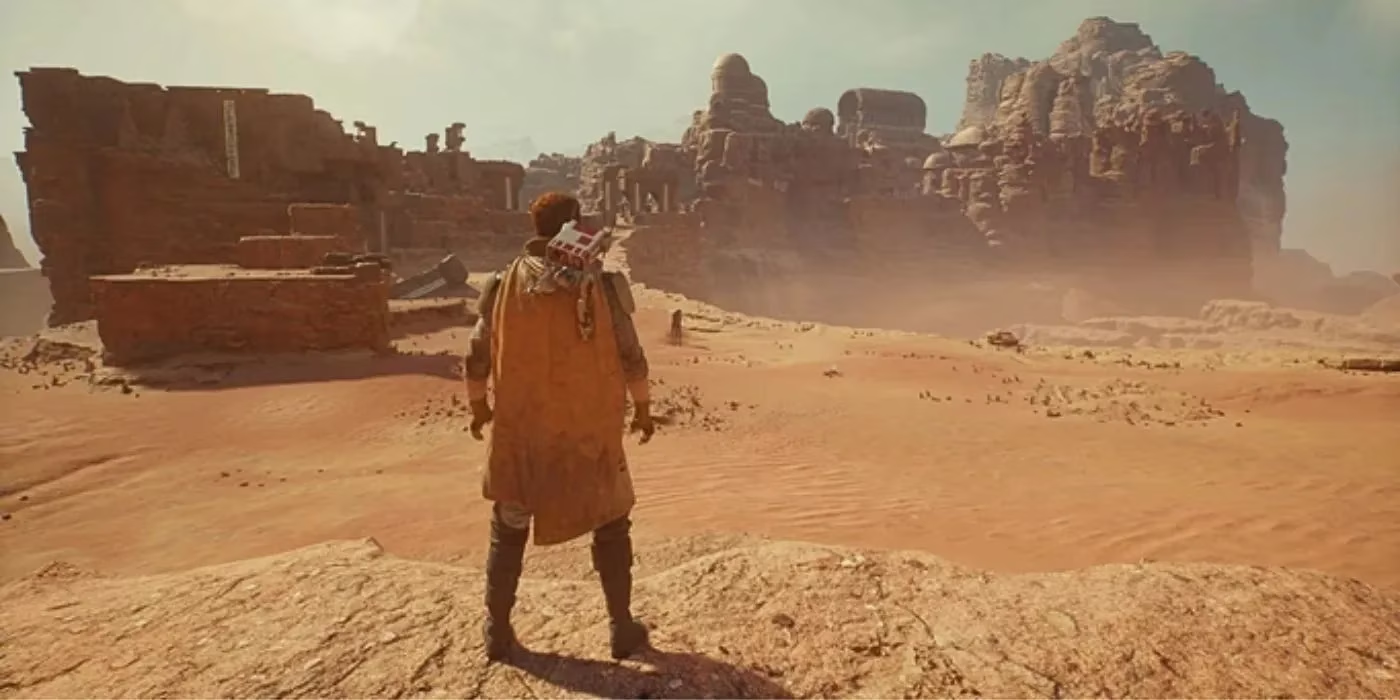
I also appreciate how Survivor used traversal to make distance feel intentional. Mounts such as Jedha's spamel and Koboh's nekkos are not just faster ways to cross terrain; they make movement feel different from planet to planet. Waypoints, recent-travel indicators on the map, and fast travel between Meditation Points solved many navigation headaches. Those tools matter because a large map without good navigation is not freedom. It is confusion.
Yes, some players found Koboh overwhelming. I understand the unfavorable comparisons to Dragon Age: Inquisition's Hinterlands, because a hub world can easily become a dumping ground for side content. But Survivor mostly avoided that trap through better map tools, stronger environmental detail, and combat encounters that players can choose to engage or avoid. That is the model I want for Star Wars Jedi 3.
A Better Blueprint for the Final Chapter
Fallen Order boasted seven planets, five of which could be properly explored. Jedi: Survivor reduced that number to six, with several serving as smaller mission-specific maps or limited story locations. Much of the game takes place across Jedha, Koboh, and the Shattered Moon. Coruscant can be revisited, but there is little story reason to do so. That structure worked because density mattered more than raw planet count.
| Game | Planets and exploration | Design lesson |
|---|---|---|
| Fallen Order | Seven planets, five explorable | Metroidvania variety can beat raw scale |
| Jedi: Survivor | Six planets, several smaller or limited | Dense hubs and strong traversal tools work |
| Jedi 3 ideal | More crafted worlds, not empty bloat | Every map should justify its size |
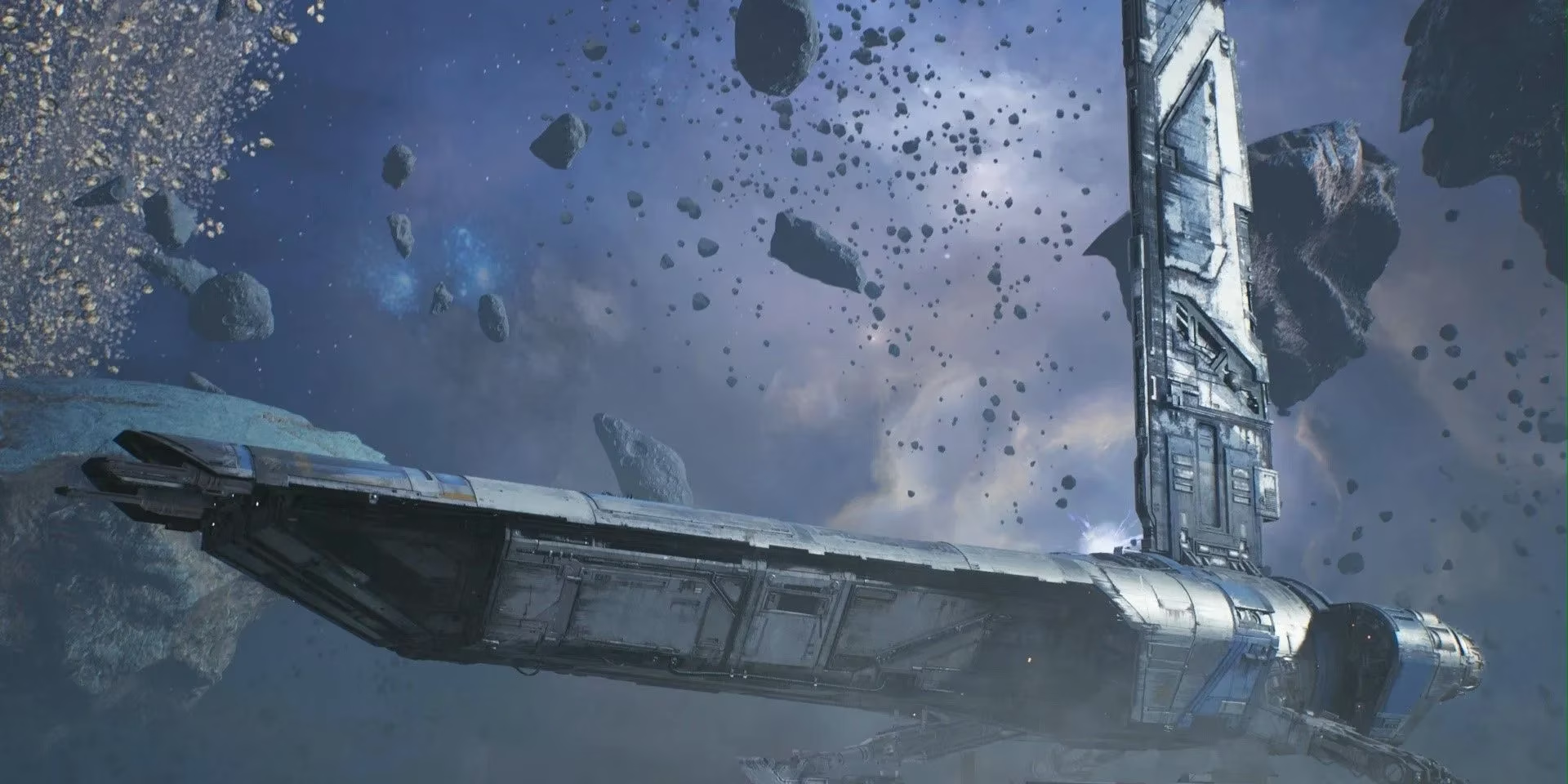
For Star Wars Jedi 3, I would rather see more worlds with carefully crafted areas than two or three enormous maps that players must trek across. The Star Wars galaxy is vast. Why not use that? Give me five memorable planets with focused exploration, meaningful secrets, and traversal that feels purposeful. Keep the Koboh-and-Jedha scale as a ceiling, not a starting point. Add mounts and shortcuts that make distance feel designed. Keep fast travel and waypoint tools. Above all, avoid filling space with fetch quests or procedurally generated objectives just to make a map feel busy.
In 2026, open-world fatigue is not hypothetical. Players recognize padding quickly, and they reward focus. My hope is that Respawn remembers the best parts of Survivor: large enough worlds to feel adventurous, detailed enough to feel alive, and tight enough to respect the player's time. If the final chapter gives me one perfect Jedi adventure, why would I trade it for a bigger map that somehow feels smaller?
The following breakdown is based on reports from Forbes - Games, whose industry coverage often emphasizes that successful sequels improve retention through stronger design focus rather than sheer content sprawl. Applied to the debate around Star Wars Jedi 3, that perspective reinforces the case for denser planets, better traversal, and more meaningful side content instead of expanding map size for its own sake.
Comments