
Let's be real, when we think of Soulslike games, our minds usually jump straight to controller-throwing frustration, cryptic lore, and that sweet, sweet dopamine hit of finally beating a boss after 50 attempts. Graphics? Pfft, who needs 'em when you're busy memorizing attack patterns and dodging for your life? Well, hold my Estus Flask, because it turns out some of these digital torture chambers are also absolute stunners. As a self-proclaimed connoisseur of pain and pretty pixels, I've wandered through these brutal worlds and can confirm: you can have your cake and get brutally murdered by it too. Forget the stereotype that these games are all about function over form. The developers behind these titles have been quietly crafting some of the most visually arresting, atmospheric, and downright breathtaking environments in gaming, proving that beauty and brutality are a match made in heaven (or a gothic nightmare).
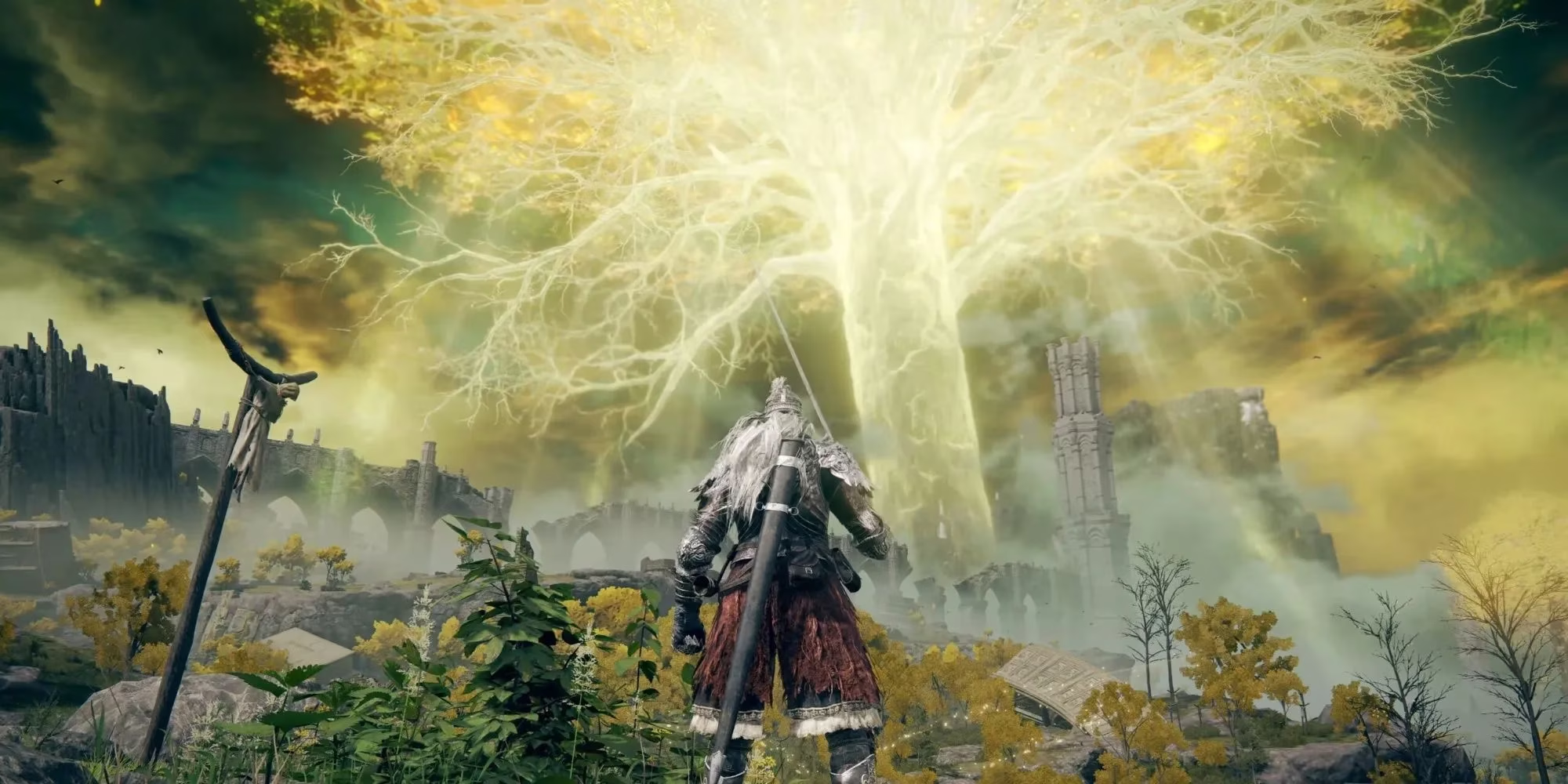
First up, the big kahuna, the game that took the world by storm and made getting lost a feature, not a bug: Elden Ring. Now, I know what you're thinking. "But it's an open world, of course it's pretty!" Sure, but FromSoftware didn't just make a big world; they crafted a living, breathing painting. Stepping out of that dingy tutorial cave into the sun-drenched vistas of Limgrave for the first time? That's a gaming moment for the history books. It's not just about raw graphical horsepower (though it's got plenty). It's the artistry. The way the Erdtree dominates the skyline, a constant, golden beacon of... well, probably more suffering. The subtle shift in palette from the lush greens of Limgrave to the rotten scarlet of Caelid, or the eerie, upside-down weirdness of the Eternal Cities. Each region feels distinct, telling its own visual story. And with the massive Shadow of the Erdtree expansion dropping in 2024 (and still being the gold standard for DLC in 2026), they pushed the visual envelope even further, introducing hauntingly beautiful new landscapes that made my jaw drop between death screens. The sense of scale, the melancholic ambiance, the sheer awe—it's all masterfully woven into the graphical tapestry.
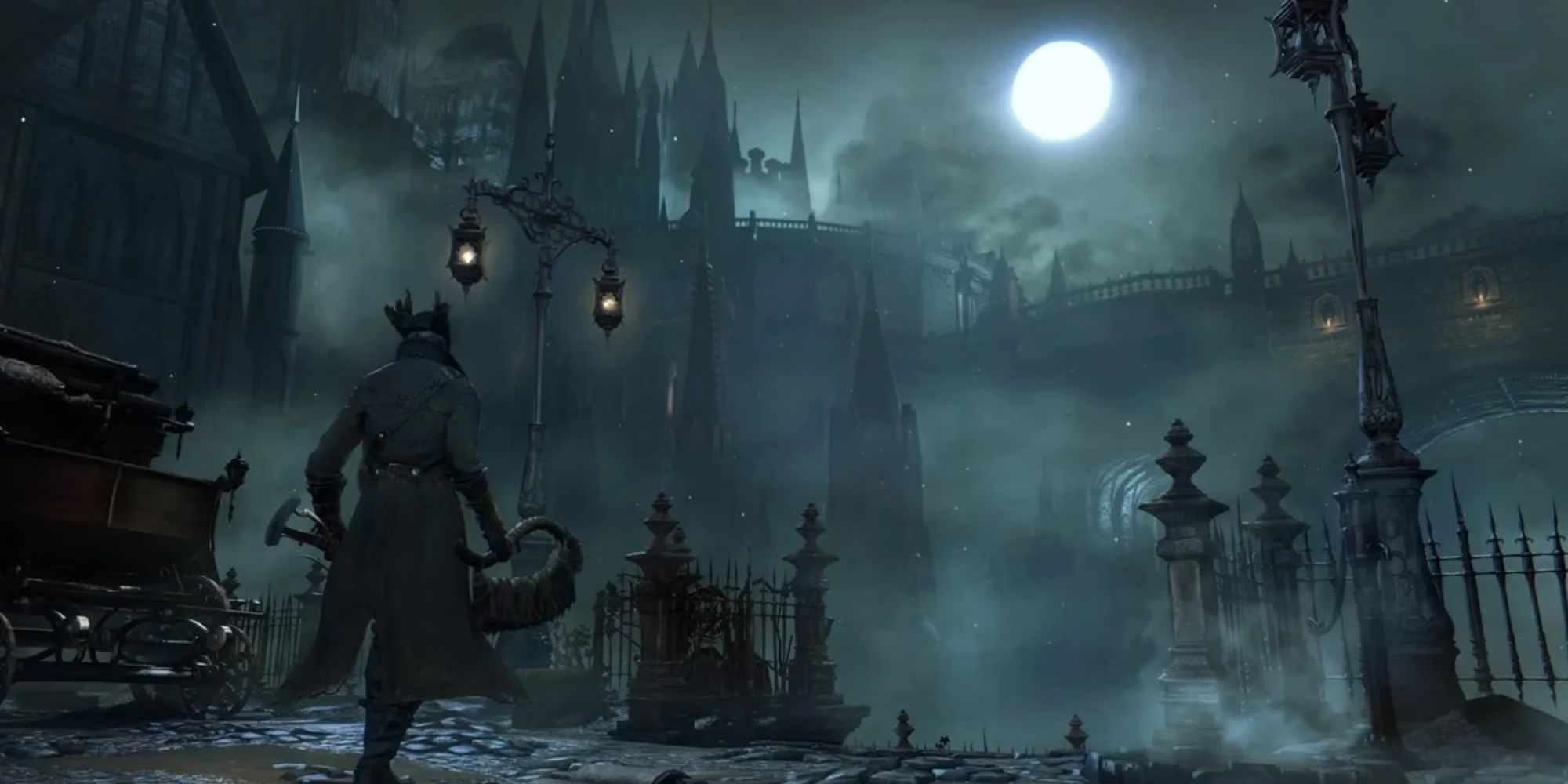
If Elden Ring is a grand, tragic epic poem, then Bloodborne is a deranged, leather-bound tome written in blood. This is where FromSoftware truly embraced a singular, oppressive aesthetic and ran with it. Yharnam isn't just a location; it's a character. A damp, gothic, and utterly hostile character that wants you dead. The visual design here is unparalleled. Every cobblestone, every wrought-iron fence, every looming cathedral spire drips with a grim, Victorian-inspired grandeur. The architecture is so intricately detailed you can almost smell the damp stone and old blood. But the real visual magic happens when the night deepens and the beasts come out. The game's lighting is a character in itself, casting long, terrifying shadows and creating pockets of pure darkness where your imagination (and the game's enemies) runs wild. The creature design? Don't get me started. From the shambling, sack-wielding giants to the cosmic horrors that defy description, every abomination is a grotesque work of art. The visual fidelity in portraying this descent into madness is what makes Bloodborne's world so utterly captivating and deeply unsettling. It's a masterpiece of atmospheric horror, and its visual style continues to influence games a decade later.
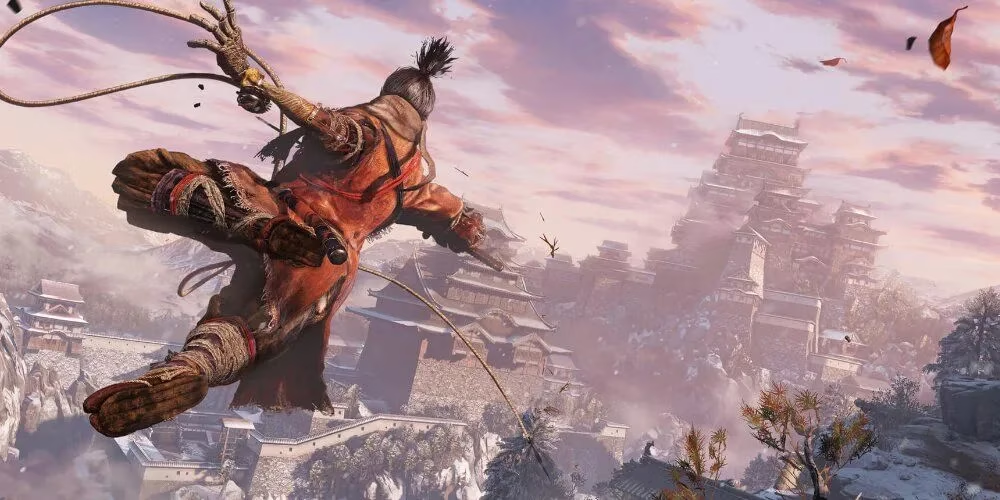
Switching gears from gothic horror to feudal Japan, Sekiro: Shadows Die Twice is a visual love letter to the Sengoku period, filtered through a mythic, supernatural lens. Ashina is a land in decay, but my goodness, what a beautiful decay it is. The game captures the essence of Japan like few others:
-
Verticality & Scale: Castles aren't just buildings you walk into; they are multi-layered fortresses you ascend, grappling from rooftop to towering pagoda. The sense of height is dizzying and glorious.
-
Seasonal Beauty: From the autumnal hues of the Ashina Outskirts to the pristine, otherworldly snow of the Fountainhead Palace, each area has a distinct seasonal and emotional tone.
-
Architectural Prowess: The game showcases everything from humble bamboo forests and serene temples to immense, fortified castles. The attention to historical detail in the architecture is astounding.
Standing atop a castle roof, looking out over a misty valley as the sun sets, is a moment of pure serenity... usually right before a ninja kicks you off. The visual contrast between the grounded, war-torn landscapes and the ethereal, almost divine areas like the Fountainhead Palace creates a breathtaking journey. It's not just pretty; it's purposeful, making you feel like a lone wolf navigating a world of sublime beauty and extreme danger.
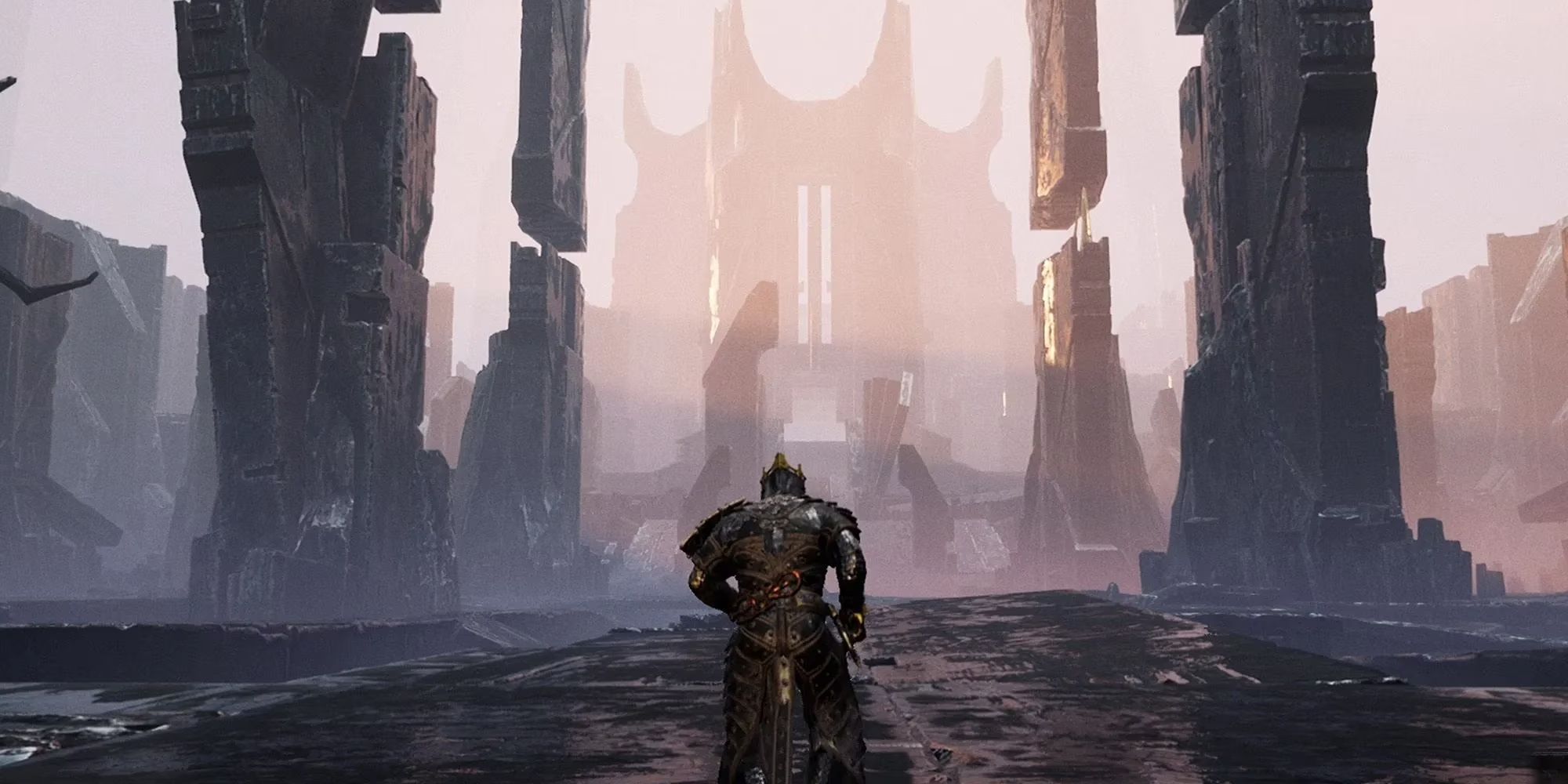
Now, let's talk about an underdog that punched way above its weight class: Mortal Shell. This game is a mood. A dark, gritty, and utterly melancholic mood. It wears its Soulslike and Bloodborne influences on its sleeve, but carves out its own distinct visual identity. The world feels ancient, forgotten, and slowly crumbling into the sea. The color palette is subdued—lots of grays, browns, and sickly greens—but this allows the environmental storytelling and lighting to shine. Distant vistas of ruined towers and petrified forests create a profound sense of loneliness and scale. What really impressed me were the small details: the way magic glows with a sinister light, how particles float in the air, and the incredibly smooth, weighty animations of the combat. Swapping between Shells (the game's character bodies) isn't just a mechanic; it's a visual transformation with tangible heft. The combat animations are fluid and brutal, making every parry and strike feel impactful. Mortal Shell proves you don't need a AAA budget to create a cohesive, immersive, and visually striking world that sticks with you.
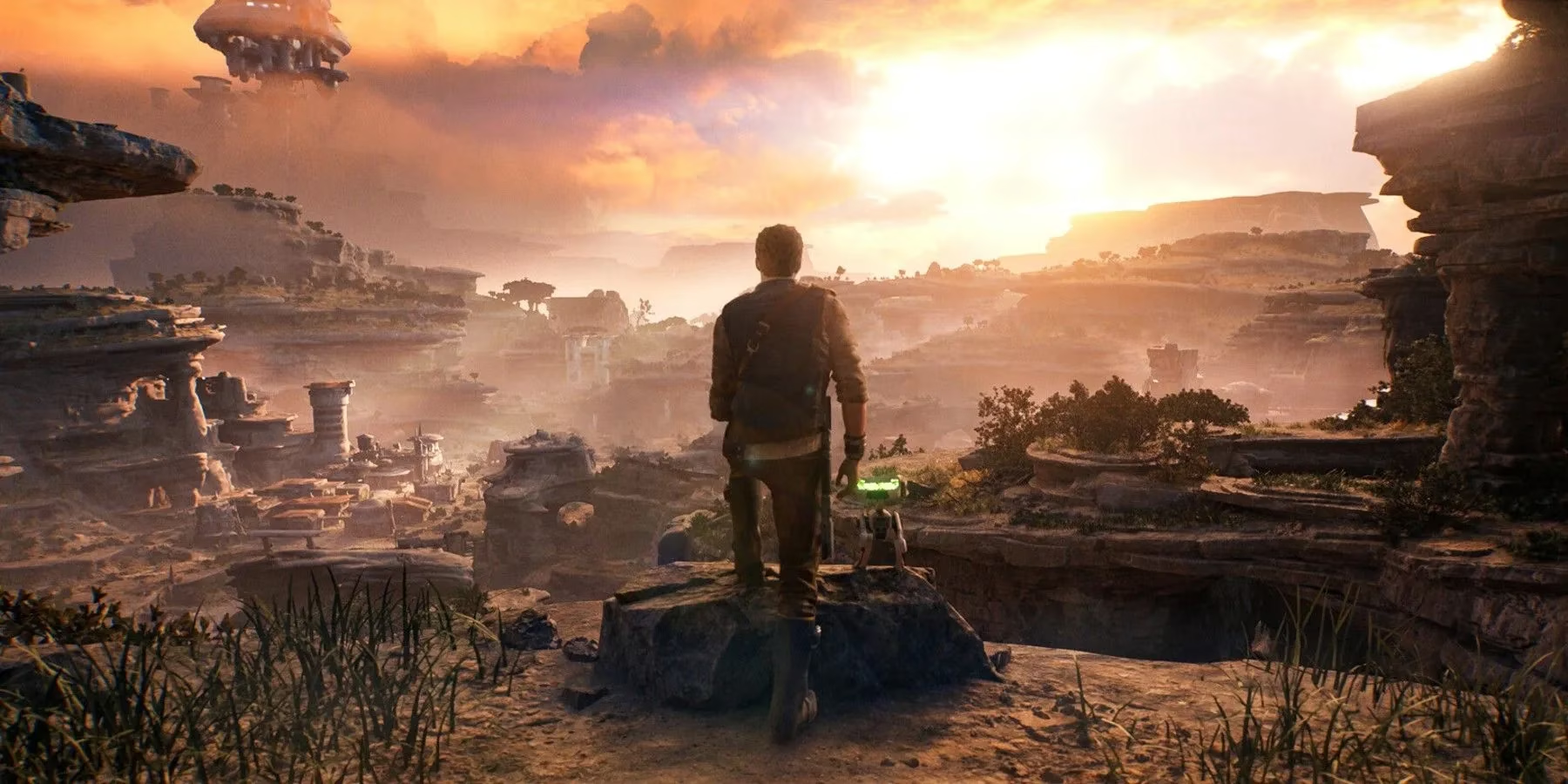
Finally, we have the franchise that proved Soulslike mechanics can work anywhere—even in a galaxy far, far away. Star Wars Jedi: Survivor (and its predecessor, Fallen Order) are visual powerhouses. They succeed on two fronts: nailing the iconic Star Wars aesthetic and building intricate, explorable Soulslike levels within it. This isn't just a pretty backdrop; it's a playground.
| Visual Strength | Example in Jedi: Survivor |
|---|---|
| Iconic Design | Massive, lived-in starships, dusty cantinas, and lush alien forests that feel ripped from the films. |
| Character Detail | Exquisite rendering of alien species, character faces, and, of course, the glowing textures of lightsabers and blaster bolts. |
| Environmental Variety | From the urban sprawl of Coruscant to the shattered ruins of Koboh, each planet is a unique visual feast. |
| Platforming Integration | The graphics make the complex parkour paths clear and intuitive, turning exploration into a visual delight. |
Having a tense, clashing lightsaber duel in the ruins of a High Republic library, with dust motes floating in beams of light, is an experience that perfectly marries challenging gameplay with cinematic spectacle. It captures the essence of Star Wars—the wonder, the scale, the adventure—and wraps it all up in a gorgeous, challenging package.
So there you have it. The next time someone says Soulslike games are ugly or only about the challenge, you can point them to this list. These games are testaments to the fact that incredible art direction and atmospheric world-building can elevate the punishing gameplay to something truly transcendent. They're not just games you play; they're worlds you get lost in, die in repeatedly, and ultimately, fall in love with. Now, if you'll excuse me, I have a date with a boss who's probably going to kill me in front of a stunning sunset. Wish me luck! 😅
Comments