
In 2026, Prince of Persia: The Sands of Time remains a benchmark for acrobatic action-adventure design and a cautionary tale for remake culture. The original game earned its reputation through elegant platforming, time-manipulation mechanics, environmental puzzles, and a compact story that many fans still regard as the strongest entry in the series. When a remake was announced, excitement reached extraordinary levels because updated visuals and modern conveniences seemed like a natural fit for such a beloved title. The early reveal, however, drew intense criticism for visuals that looked far below expectations. The backlash was severe enough that the project was reset to square one, turning a celebratory revival into a long-running question mark.
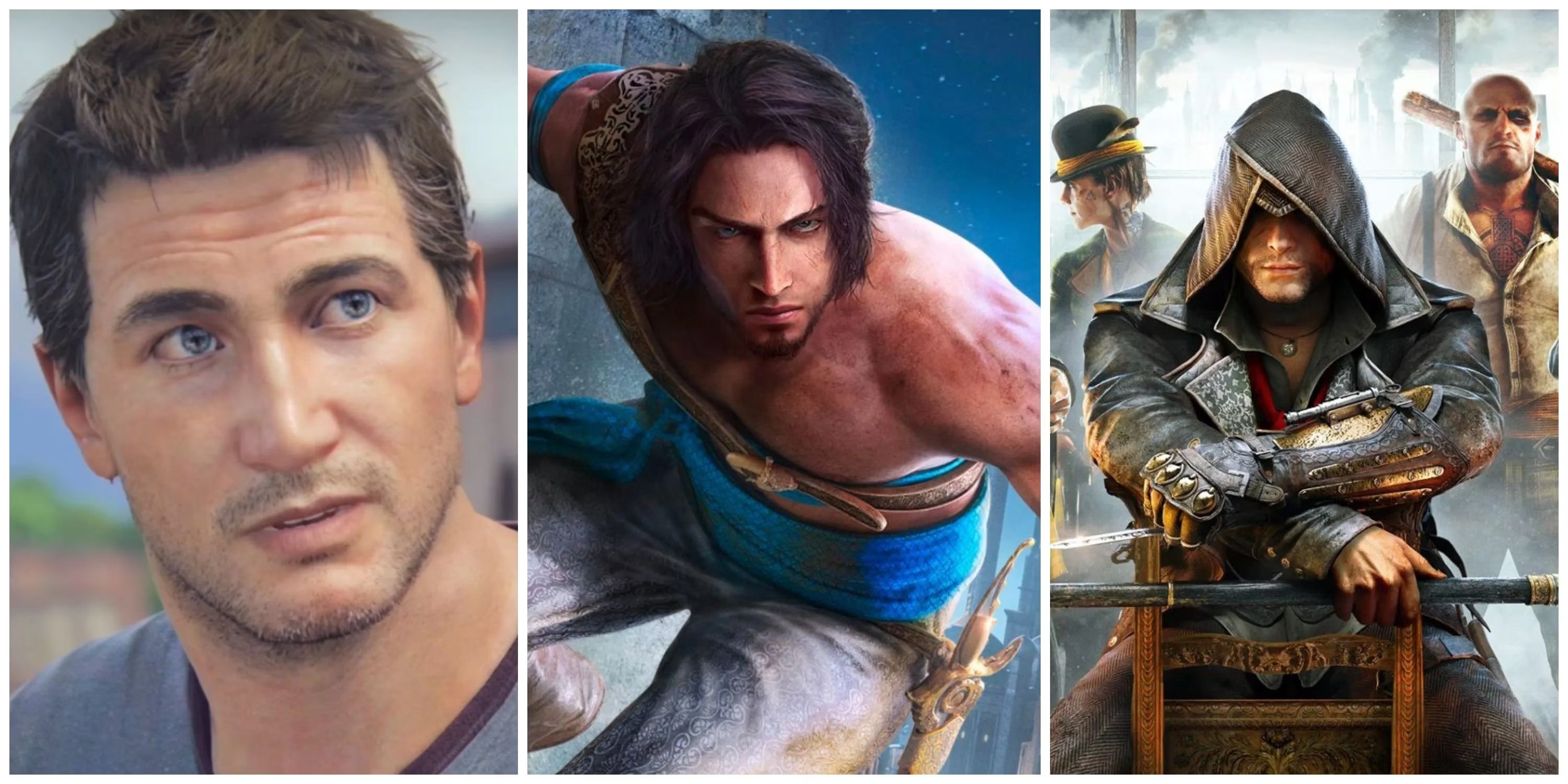
A Remake Caught Between Nostalgia and Expectations
The Sands of Time earned its place in gaming history by making movement feel graceful and purposeful. The Prince vaulted across crumbling architecture, solved spatial puzzles, and reversed mistakes with the Dagger of Time. Combat was not the deepest in the genre, but it supported the fantasy of a nimble hero surviving impossible odds. A remake with refreshed art direction and smoother controls sounded like an easy win. Instead, the first public showing became a lesson in how fragile nostalgia can be when technical presentation falls short of fan expectations. The reset signaled that the project would need more than a visual polish pass; it would need to rebuild trust.
That history still matters in 2026 because the industry continues to revisit classic franchises at a rapid pace. Fans want the Prince to return, but they also want the return to respect what made the original special. The conversation around the remake is no longer only about graphics. It is about preservation, modernization, and the pressure that comes with reviving a game that many players treat as untouchable.
Why the Prince Still Casts a Long Shadow
Modern players searching for the same rhythm as The Sands of Time have plenty of alternatives. The most obvious successors share acrobatic traversal, environmental puzzles, cinematic storytelling, or a blend of combat and platforming. The following eight games do not replace the Prince, but they fill the Prince-sized gap with momentum, spectacle, and memorable worlds.
1. Assassin's Creed Syndicate 🎩
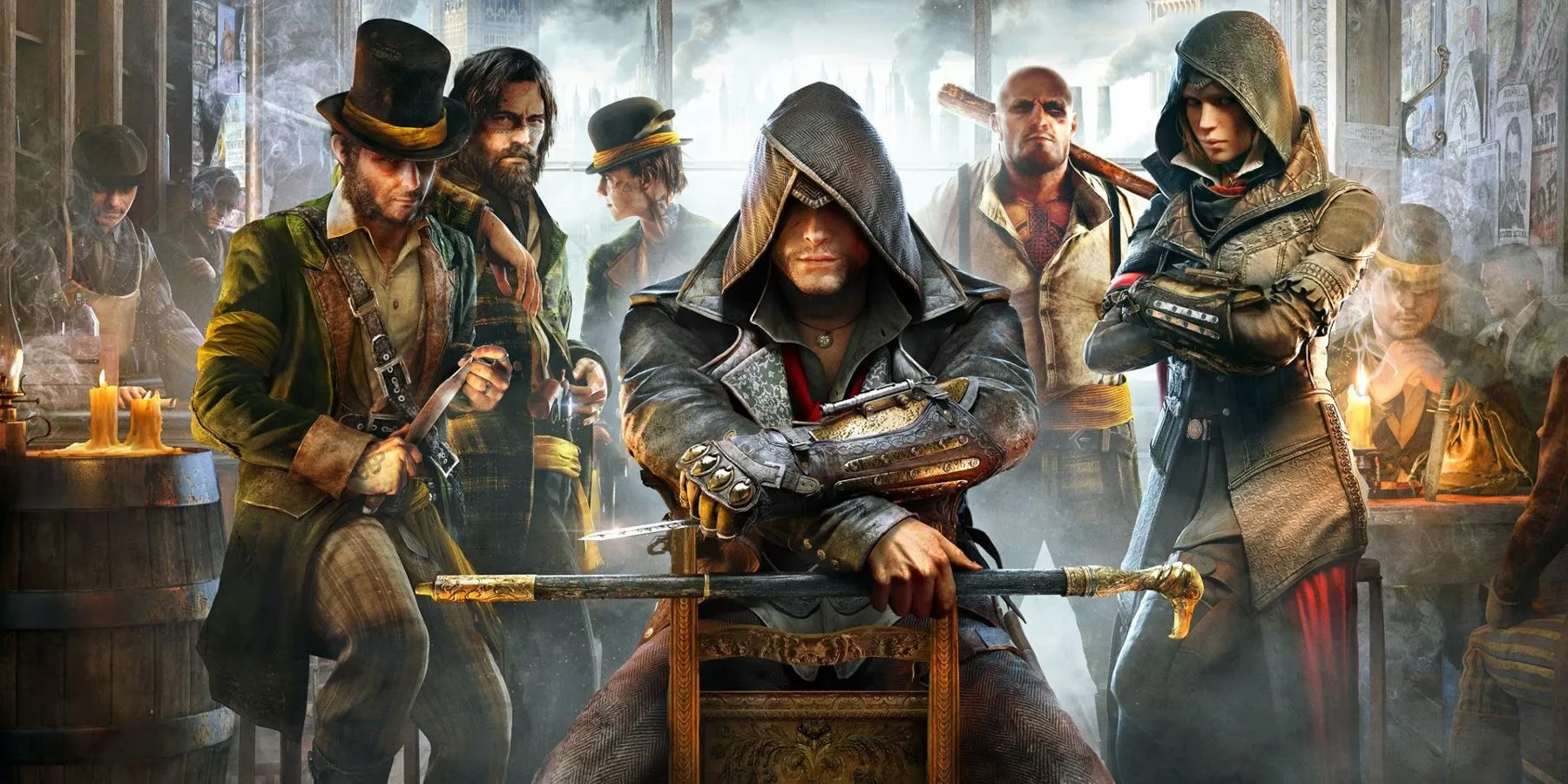
Assassin's Creed began as a spin-off of sorts from a scrapped Prince of Persia project, and the family resemblance remains visible in its parkour-driven traversal. Syndicate deserves more credit than it received. Victorian London is an excellent setting for rooftop chases, industrial-era intrigue, and stealth encounters. Evie and Jacob Frye are entertaining dual protagonists with distinct personalities, and their sibling dynamic gives the campaign a lighter energy than many later entries. The game did not sell as well as its quality suggested, but its movement, city design, and mission variety make it a strong pick for players who miss the Prince's athletic escapades.
2. Tomb Raider: Legend 🏺
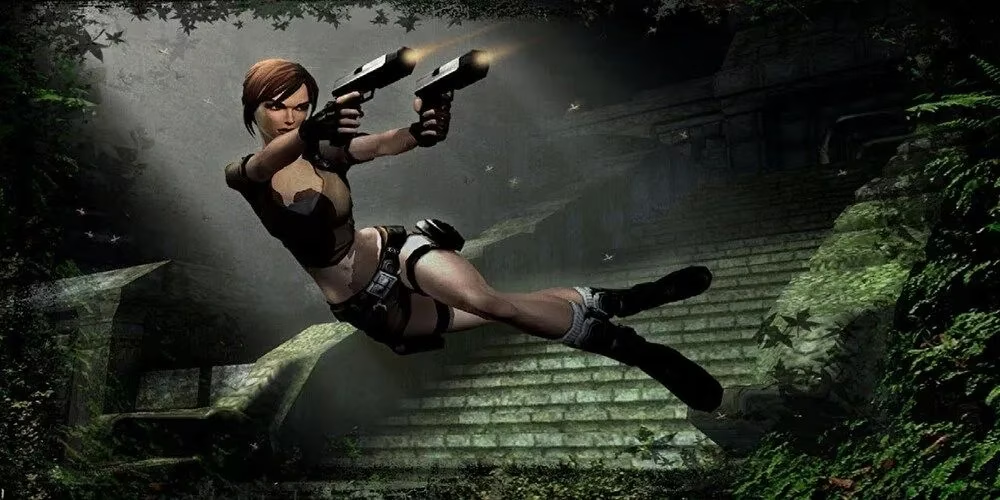
Tomb Raider: Legend bridges classic Lara Croft adventures and modern action-adventure design. The game sends the sassy archaeologist through tombs, ruins, and supernatural mysteries while offering responsive platforming and satisfying combat. Lara gains access to a wealth of firearms and uses them against human enemies, wildlife, and stranger threats. Anniversary and Underworld continue in a similar vein, making the trilogy a natural stop for fans who enjoy climbing, puzzle-solving, and cinematic set pieces. Legend is especially appealing because it keeps the pace brisk and the locations varied.
3. Mirror's Edge 🏃
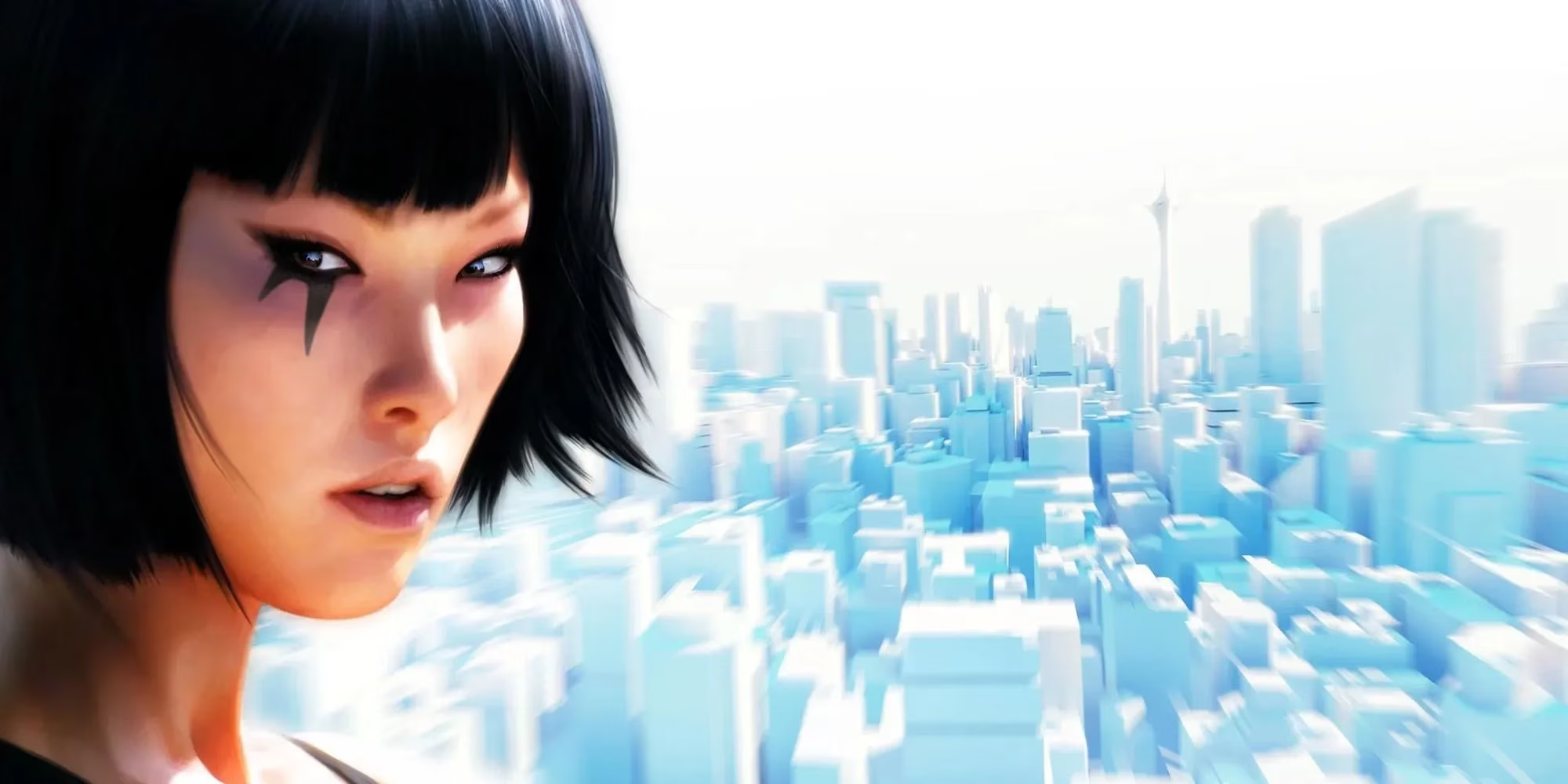
Mirror's Edge captures the purity of movement in a way few games have matched. Its first-person parkour system rewards momentum, timing, and confidence. Running across rooftops feels smooth and exciting, and the best sequences turn ordinary urban spaces into obstacle courses. The sequel, Catalyst, expanded into an open world but divided fans in the process. The original remains a compact, focused experience that speaks directly to anyone who loved the Prince's wall runs, ledge grabs, and fluid escapes. It is a different kind of platforming, but the thrill is familiar.
4. Darksiders II 💀
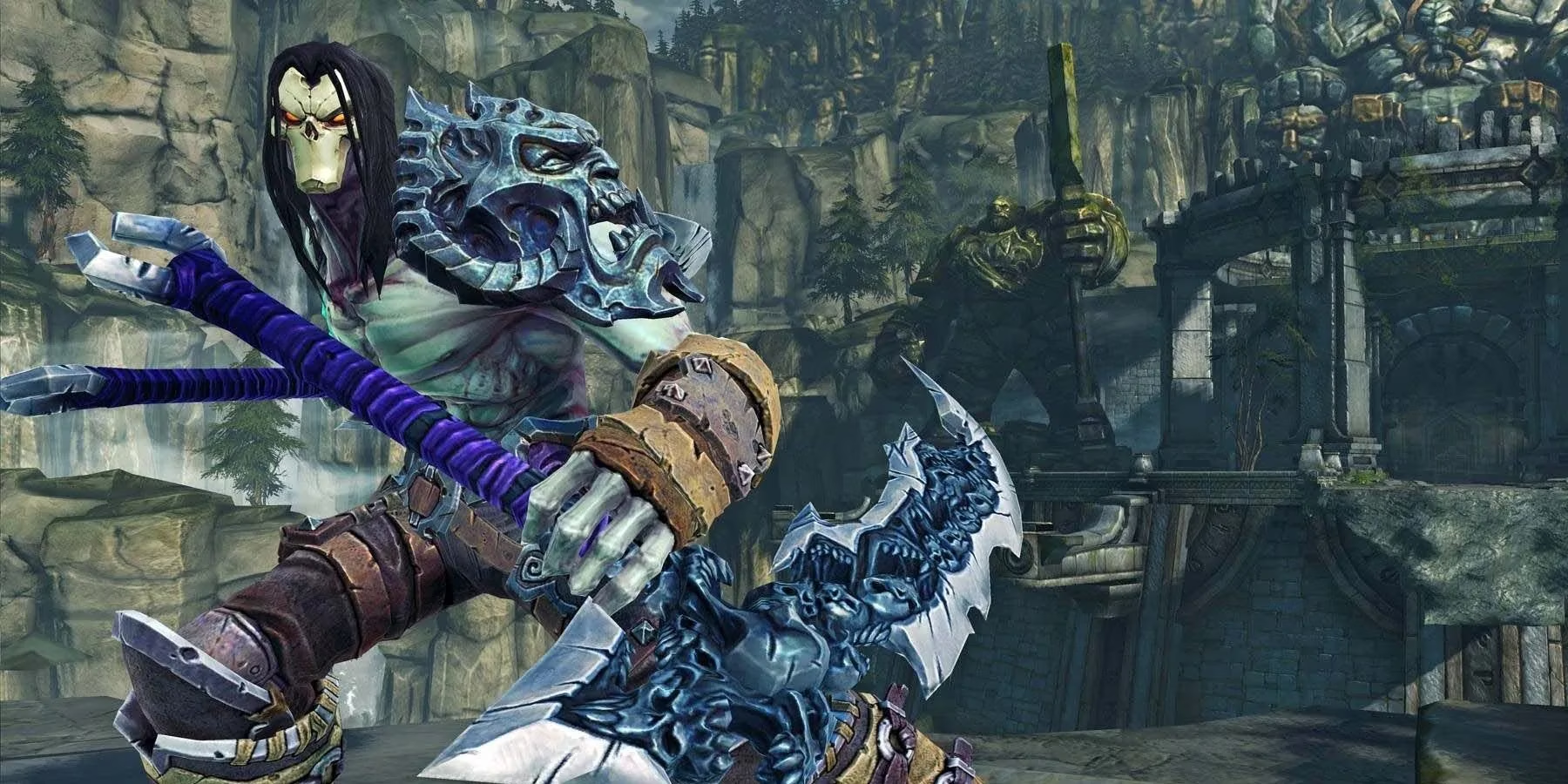
Darksiders II is one of the most underappreciated action-adventure games of its era. Players control Death on a quest to save his brother, and the journey combines action-heavy combat, freeform movement, environmental puzzles, and open-world exploration. The game was expensive to develop and struggled to recoup its costs, but its ambition is precisely what makes it worth revisiting. Fans of The Sands of Time who want a darker world, larger dungeons, and more customizable combat should not overlook it. Darksiders II understands that traversal and puzzle-solving can be just as heroic as swordplay.
5. Uncharted 4: A Thief's End 🧗
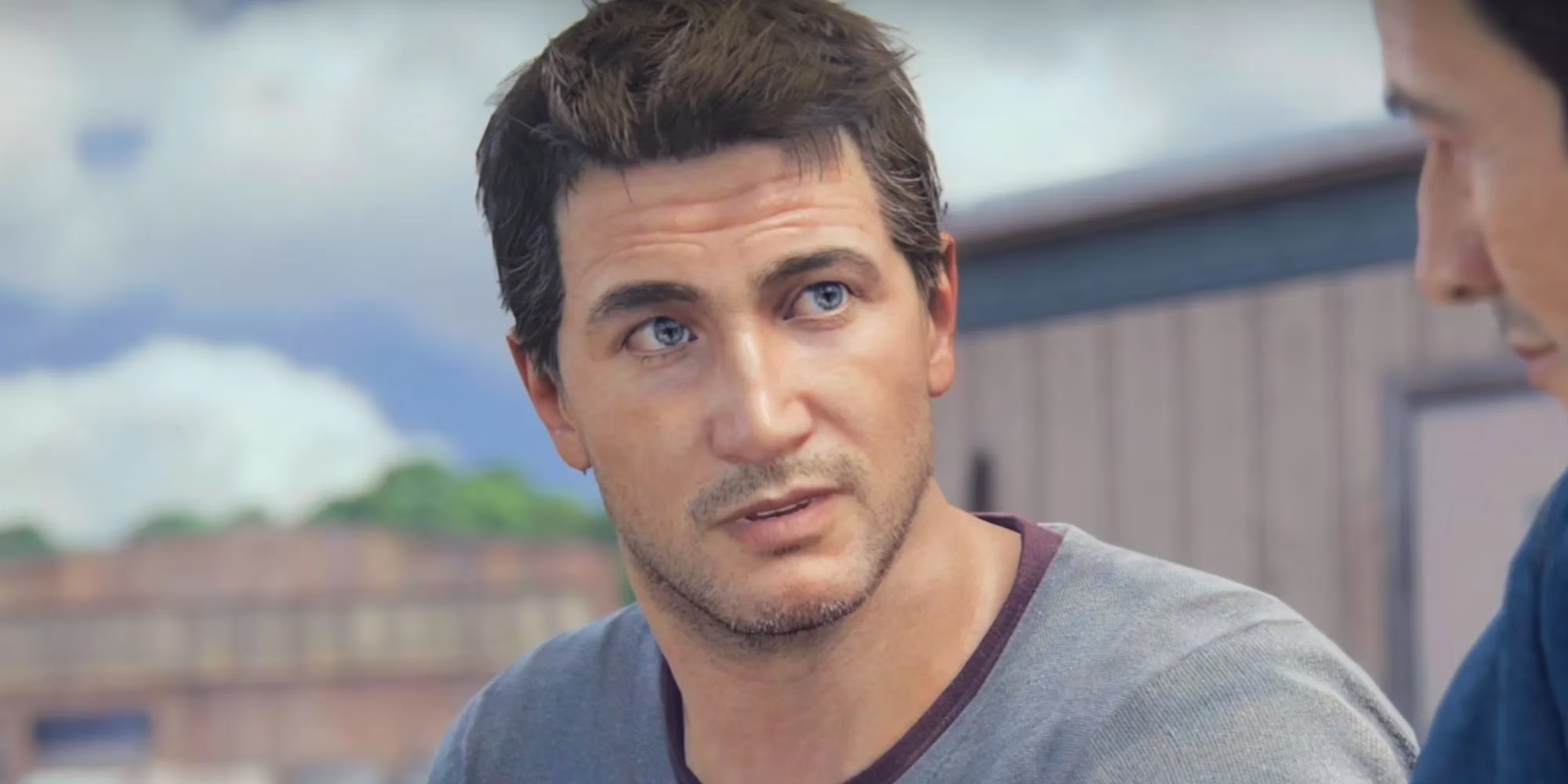
Uncharted 4: A Thief's End represents the peak of cinematic action-adventure storytelling in the series. Nathan Drake's brother enters his life with a promise of adventure, pulling him into one last job that creates a substantial rift with Elena. The climbing, gunplay, and set pieces are polished to a remarkable degree, but the emotional story is what elevates the game above its predecessors. The epilogue gives the smart-mouthed protagonist a farewell that feels earned. For players who value the Prince's mix of perilous traversal and character-driven adventure, Uncharted 4 is an essential modern companion.
6. Super Mario Odyssey 🍄
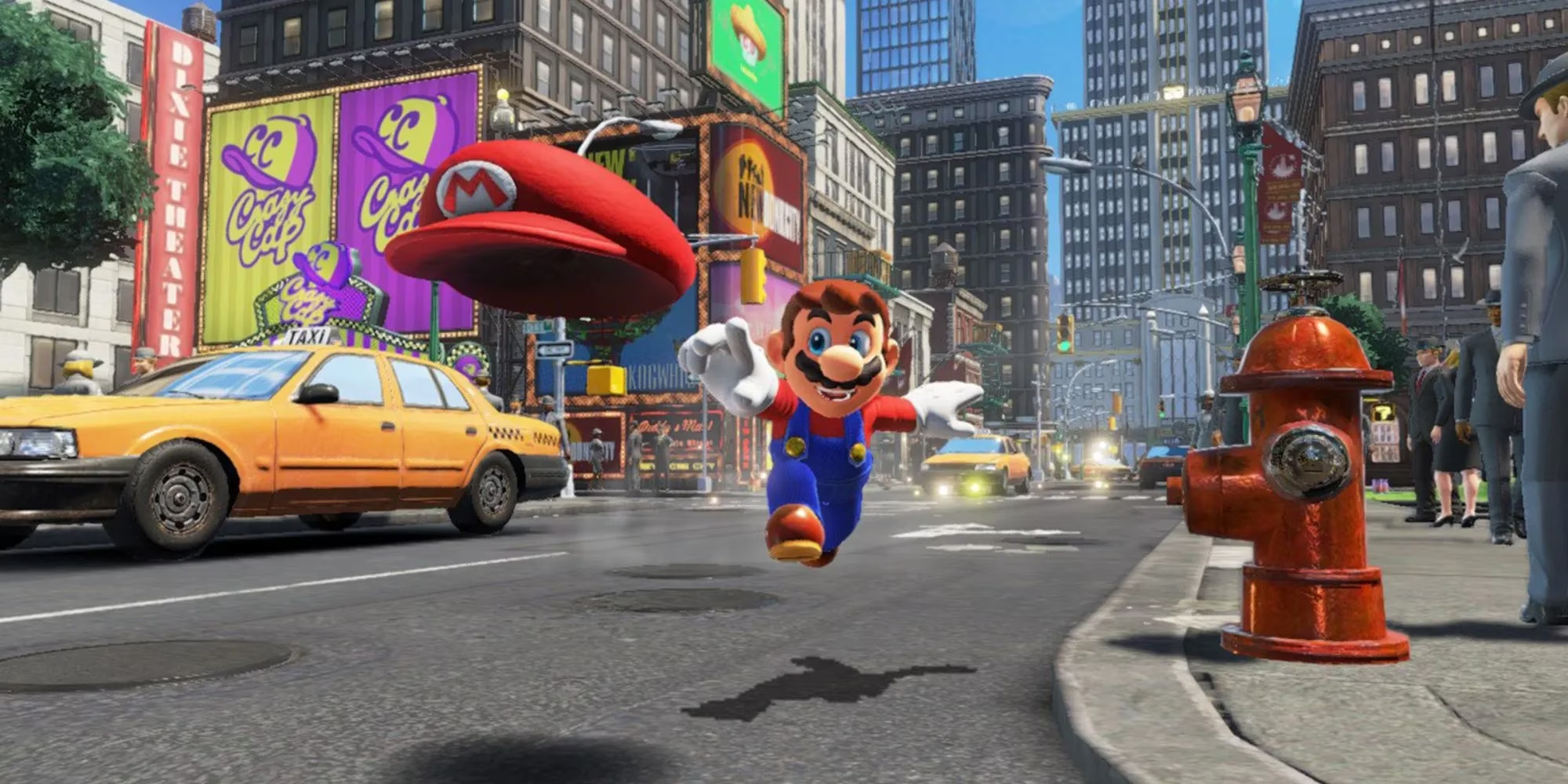
Super Mario Odyssey may seem like an unusual recommendation for fans of The Sands of Time, but the connection is movement. Mario's latest major 3D adventure is built around maintaining momentum, chaining jumps, and discovering creative routes through imaginative worlds. Cappy adds a new dynamic by allowing Mario to rebound on his own hat and control enemies and objects, which unlocks fresh movement options. The game looks simple on the surface, yet its gameplay loops are deep and engaging. Players who loved overcoming platforming challenges as the Prince will recognize the joy of mastering a movement system.
7. Enslaved: Odyssey to the West 🐒
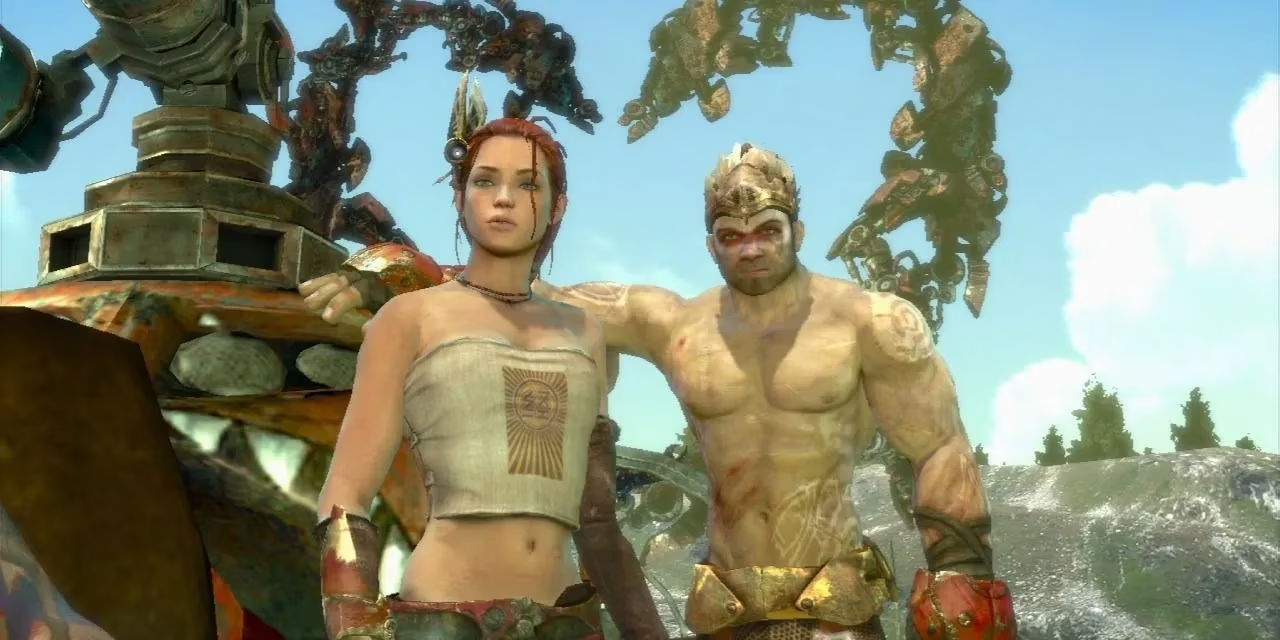
Enslaved: Odyssey to the West is an underrated action-adventure title that deserved far more attention. Its stellar voice acting, fun combat, and platforming segments make it a distinctive experience. Andy Serkis and Lindsey Shaw voice the two main characters, and their performances give the journey an emotional weight that many similar games lack. The game was a commercial disappointment and never received the sequel it deserved, but its reputation has grown among players who appreciate ambitious mid-budget adventures. It shares the Prince's interest in partnership, escape, and traversal through hostile environments.
8. Star Wars Jedi: Survivor ⚔️
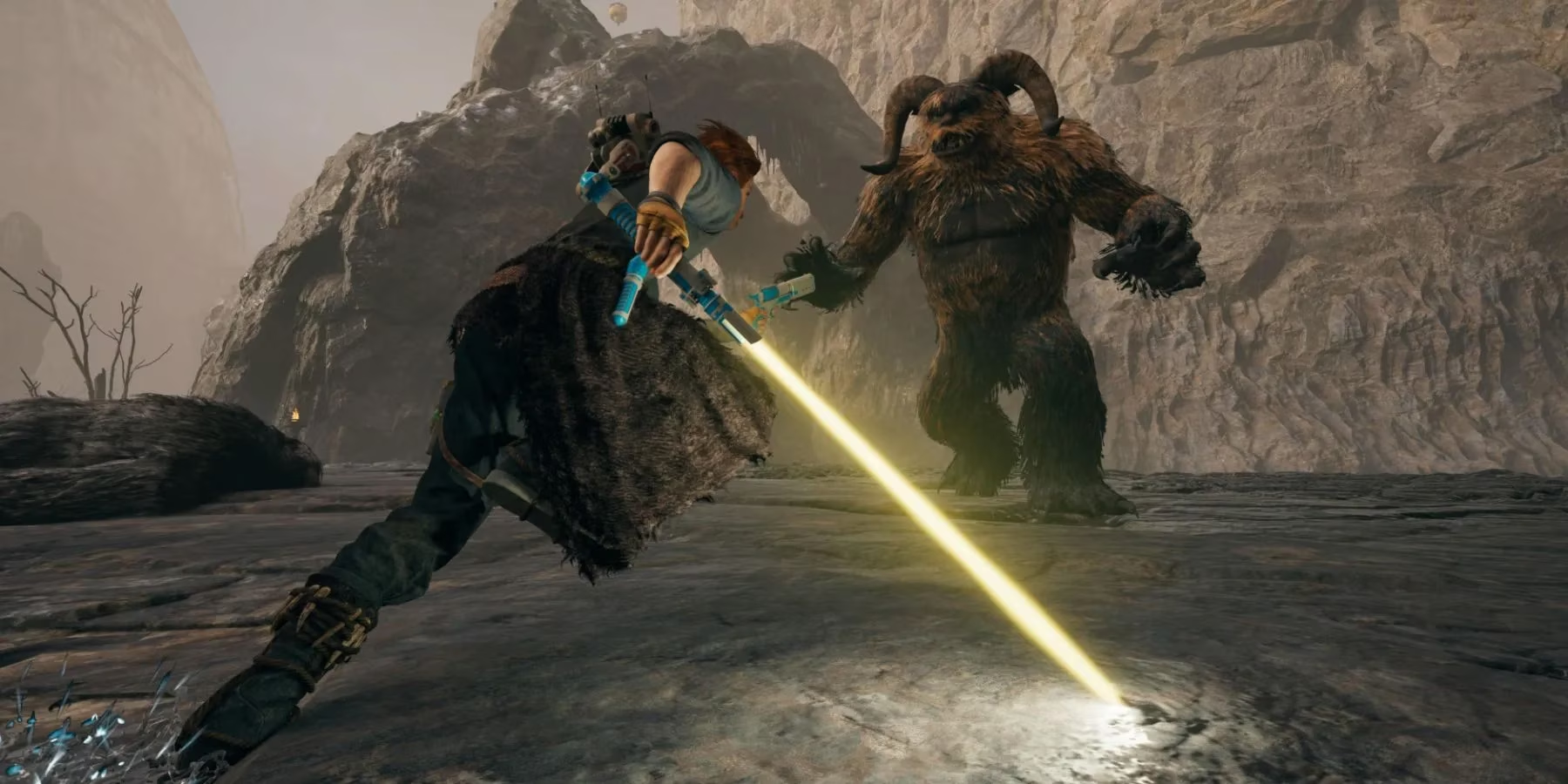
Star Wars Jedi: Survivor expands on its predecessor in every major way. Combat is more refined, levels are larger and more expansive, and Cal Kestis' story is riveting for fans of the galaxy far, far away. The game deserves criticism for a PC port that caused serious problems at launch, but that should not erase the quality of the overall adventure. Its blend of exploration, platforming, and cinematic combat makes it a natural choice for players who want scale and spectacle. In 2026, it remains one of the strongest modern examples of a sequel that understands how to grow a formula without losing its identity.
Quick Comparison for 2026 🎮
| Game | Prince-like strength | Best for |
|---|---|---|
| Assassin's Creed Syndicate | Rooftop parkour and stealth | Fans of urban traversal |
| Tomb Raider: Legend | Tombs, puzzles, and acrobatic action | Classic adventure nostalgia |
| Mirror's Edge | First-person momentum platforming | Players who love movement mastery |
| Darksiders II | Combat, dungeons, and environmental puzzles | Fans of darker action-adventure |
| Uncharted 4 | Climbing, set pieces, and storytelling | Cinematic adventure lovers |
| Super Mario Odyssey | Creative platforming and momentum | Fans of playful movement systems |
| Enslaved | Character-driven combat and platforming | Players seeking hidden gems |
| Star Wars Jedi: Survivor | Exploration and refined action combat | Fans of modern blockbuster adventures |
The Prince's Next Move
The remake saga remains a reminder that reviving a classic is not simply a matter of upgrading textures. The Sands of Time is loved because its movement, pacing, and atmosphere work together. Any future version must honor that balance. Until the Prince returns with a convincing revival, the eight games above offer different paths back to the same pleasures: fluid traversal, clever environments, and the satisfaction of turning a difficult route into a graceful performance. For fans who have waited since the remake reset, that is still a worthwhile journey in 2026.
Comments