
I still remember the first time I watched a lightsaber duel in a game and thought, okay, this is the whole fantasy. Then I played Star Wars Jedi: Survivor and Star Wars Outlaws back to back in 2026, and I realized Star Wars combat is not one language. It is two accents. One wants me to breathe, time my parry, and earn every inch. The other wants me to dive behind cover, pop up, and cause a little beautiful chaos. As a player, that difference matters more than any review score.
For years, Star Wars games were not famous for combat first. They were famous for making me feel inside that galaxy: story, characters, world-building, presentation. Some entries pushed combat hard, but the universe was usually the main event. By 2026, though, modern Star Wars games have flipped that. Combat is now a selling point. Jedi: Survivor puts it at the center with a FromSoftware-inspired dance. Outlaws puts a blaster in my hand and lets me play scoundrel.
Jedi's combat is the careful one. It borrows from Dark Souls, Bloodborne, and Sekiro, and I can feel it in every slash and parry. The lightsaber has weight. It demands a conversation. If I mash buttons, it sighs and punishes me. When I time a parry right, the screen crackles and I feel like I actually earned the moment. That is brilliant for players who love methodical duels. But look, I’m not going to pretend it is for everyone. Soulslike combat can be tough, borderline unforgiving, and a real turn-off at first. Difficulty settings help, but they do not change the core rhythm. Some fans do not want to study timings. They want to blast.
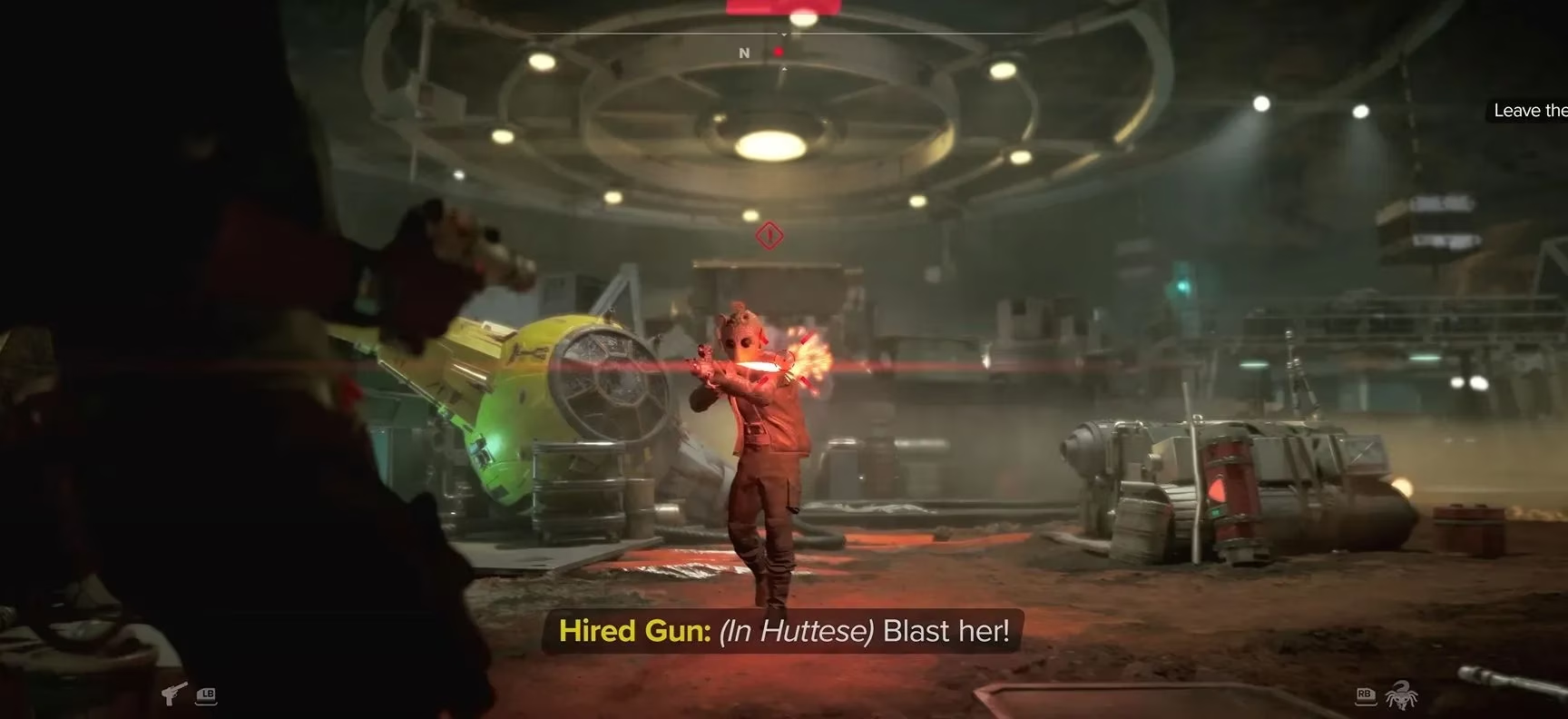
That is where Outlaws speaks to me differently. In the gameplay I saw and later played, it is a third-person shooter with cover, blind-fire, and aimed shots. It feels closer to Uncharted, Tomb Raider, or Control than to a lightsaber duel. I duck behind a crate, catch my breath, and lean out. The blaster is not asking me to memorize a boss pattern. It is asking me to read the room. For general audiences, that is immediately more accessible. Point, shoot, move. No shame in that.
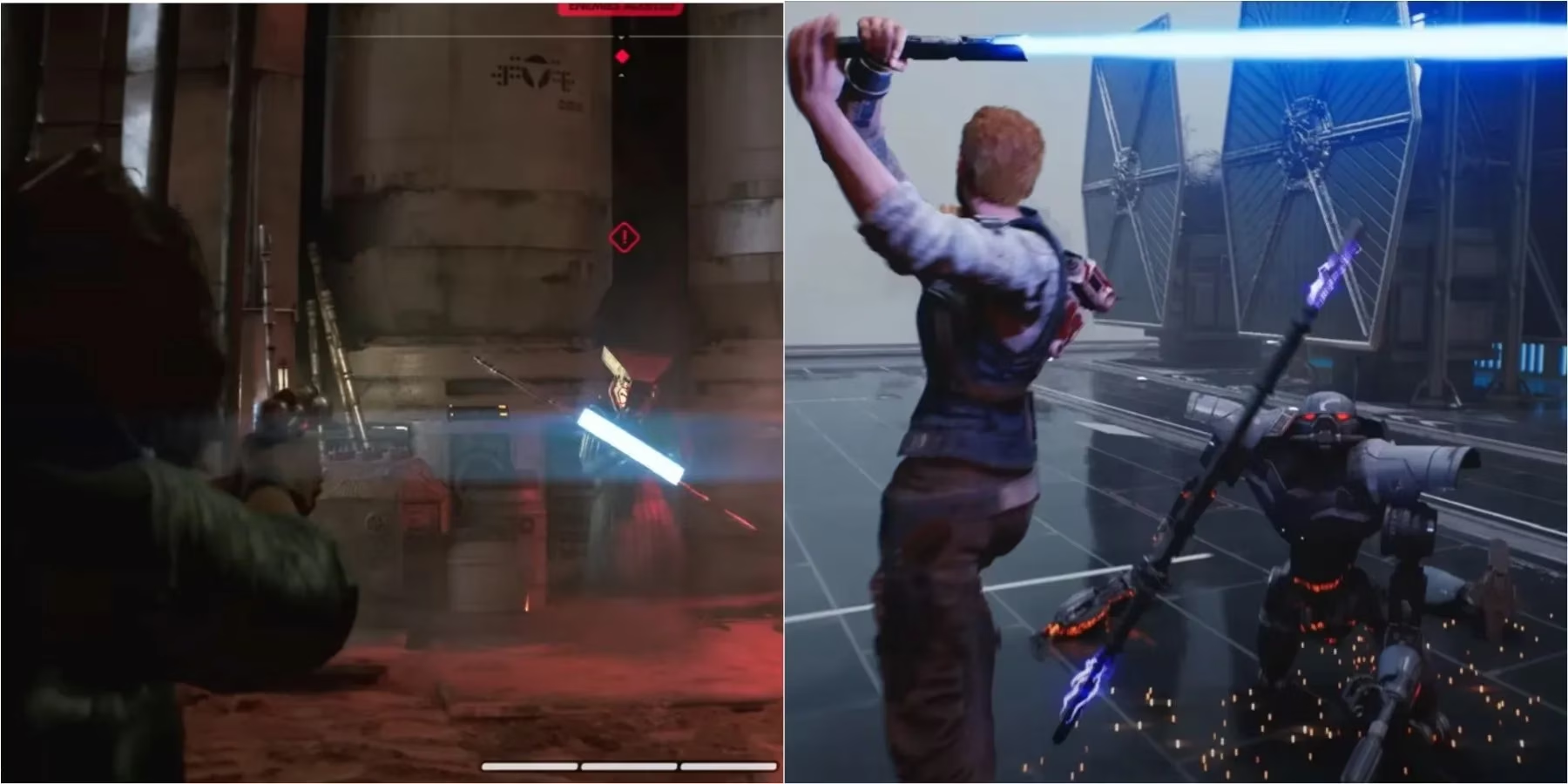
But accessible does not mean shallow. This is the part I appreciate most in 2026. Outlaws has room for experimentation. I can use different blaster rounds, like an electric shot that neutralizes shields. I can send Nix, my furry little partner, to grab a more powerful weapon from the field and bring it back. Nix has personality that steals scenes, and using him in a fight makes the combat feel like a scoundrel's toolkit rather than a straight line. There are unlockable skills too, so experienced players can shorten fights and style on enemies. The floor is low. The ceiling is still there.
Here is how I break it down as a player:
| What I want in the moment | Jedi: Survivor | Star Wars Outlaws |
|---|---|---|
| Slow, deliberate duel | ⚔️ Excellent | Not the point |
| Fast, messy firefight | Not the focus | 🔫 Strong fit |
| Parry timing | Core skill | Not required |
| Cover and blind-fire | Rare | Standard tool |
| Companion chaos | BD-1 support | 🐾 Nix grabs weapons |
| Accessibility | Difficulty options help, but rhythm is demanding | Easy to pick up, depth through tools |
| Fantasy | Jedi precision | Scoundrel freedom |
I love that both exist. Jedi: Survivor makes me feel like I am solving a fight with discipline. Outlaws makes me feel like I am surviving a fight with nerve. The lightsaber is a promise. The blaster is a punchline. And hey, sometimes I want the punchline.
If I had to pick one for a new player in 2026, I would ask a simple question: do you want to learn a duel, or do you want to jump into a firefight? Neither answer is wrong. Star Wars is big enough for both. The Jedi path is precise, punishing, and rewarding. The outlaw path is loose, accessible, and still full of tricks. As a player, I am glad the galaxy stopped pretending combat has only one accent.
This assessment draws from Polygon, whose reporting on game feel and player experience helps frame why Star Wars Jedi: Survivor and Star Wars Outlaws land so differently in combat. Seen through that lens, Survivor succeeds by turning each encounter into a measured duel built on stamina, reads, and parry confidence, while Outlaws leans into readability and improvisation, letting cover, gadgets, and Nix create a more flexible scoundrel rhythm that many players can grasp immediately.
Comments